
REVIEW · CROATIA
Wine, food and olive oil by PhD student
Dubrovnik’s Old Town becomes your dining room on this three-hour food and wine walk. You’ll taste award-winning Croatian olive oils, four local wines, four generous dishes, and dessert while moving between family-run places near the city’s main sights.
I especially like the mix of serious wine instruction and local history. You are not simply handed a glass and told to enjoy it. You learn how to judge olive oil, compare Croatian grape varieties, and connect old recipes to Dubrovnik’s past. The chance to sample fish, seafood, and meat also gives you a broad look at the region’s cooking.
The main consideration is the price, $205.59 per person. That is a lot for three hours, even with lunch and drinks included. The experience also follows the guide’s interests closely, so it suits curious food and wine drinkers more than anyone looking for a relaxed, highly customized meal.
Key points to know before booking
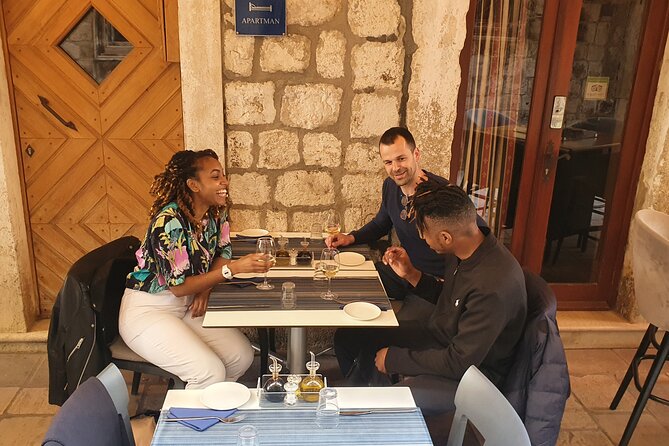
- Four family-run stops: You move through four Old Town businesses for olive oil, wine pairings, savory dishes, and dessert.
- A serious olive oil tasting: A licensed Olive Oil Sommelier teaches you to recognize the main traits of extra virgin olive oil.
- Four Croatian wines: The tasting includes local white and red varieties, including wines recognized by Decanter and wines from the Dubrovnik region.
- Food is substantial: The meal includes fish, seafood, two meat dishes, and dessert, not just small bites.
- Dubrovnik history between courses: The walk passes the Pile and Ploče area sights, the Franciscan monastery, Onofrio’s Fountain, Rupe granary, Jesuit Stairs, and Rector’s Palace.
- Small group format: The maximum group size is 12, and the tour is conducted in English at 4 p.m.
Why this Dubrovnik food tour is different
Many Old Town food walks are really restaurant crawls with a few facts added along the way. This one puts wine and olive oil at the center. Your guide is an enologist with a master’s degree and is also pursuing a PhD in wine. That background matters if you want more than a quick introduction to Croatian drinking culture.
The guide may be Dom, a Dubrovnik native whose wine and olive oil knowledge has made a strong impression on past participants. When he leads the walk, you also get a personal connection to the city and its food traditions. One especially useful detail is that Dom has continued answering wine questions after the tour, even helping with choices at the airport duty-free shop. That suggests a guide who takes the teaching side seriously.
The tour is not built around one long sit-down meal. You walk through the Old Town, stop at four places, and learn in stages. This keeps the afternoon moving and gives you a broader taste of Dubrovnik than one restaurant reservation would.
More Olive Oil and Wine Tours in Croatia:
- Split: Krka Waterfalls With Boat Cruise, Wine and Olive Oil
★ 4.3 · 1,507 reviews - Hvar: Island tour with Wine and Olive Oil Tasting
★ 4.9 · 77 reviews - Krka Waterfalls Tour with Wine and Olive Oil Tasting
★ 4.5 · 48 reviews
Starting at Onofrio’s Fountain at 4 p.m.
The meeting point is Large Onofrio’s Fountain, at Poljana Paska Miličevića. This is a practical starting place because it is easy to identify and sits near the western entrance to the Old Town. You begin close to Pile Gate, then make your way through the historic center toward Rector’s Palace.
The timing works well for a late lunch and early dinner. You will eat through the afternoon and early evening, so plan to keep your earlier meal light. The tour lasts about three hours, and the food portions are reported to be more than token samples. You should arrive hungry, but not so hungry that you rush the first tasting.
At the fountain, the guide talks about Dubrovnik’s water system and the city’s peak period as the Republic of Ragusa. The subject is more useful than it may sound. It explains how a relatively small maritime republic supported its population and invested in major public works.
Walking Dubrovnik’s old streets between tastings
The walking route passes several major sights, including Revelin Fortress, Ploče Gate, Lazareti, the Franciscan monastery, Rupe Museum, the farmers market, Jesuit Stairs, and Rector’s Palace. You are not stopping for full museum visits, so think of these places as a moving backdrop for the food lesson.
That format is helpful on a first day in Dubrovnik. You get your bearings while learning what local ingredients and dishes mean. The route also takes you through less direct parts of the Old Town, where you can look across the rooftops and see a quieter side of the city.
Rupe Museum is particularly relevant. It occupies a 16th-century granary, a building connected to the practical business of storing grain. This gives the guide a natural place to explain how food supply worked in the old republic. You are not just hearing about palaces and churches. You are also hearing about the systems that kept the city fed.
The walking portion does mean some of your attention is split between conversation, navigation, and architecture. If you want a dedicated history tour, this will not replace one. The historical material is woven into a food experience rather than presented as a full lecture.
Learning to taste extra virgin olive oil
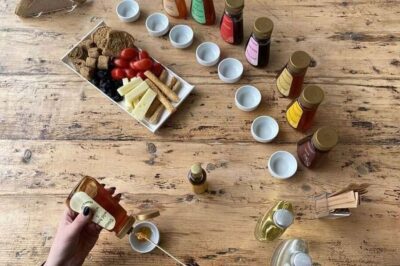
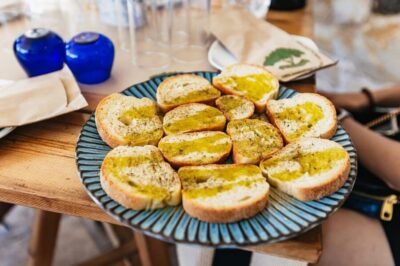
The first food stop focuses on olive oil. You taste two extra virgin oils, including Croatian oils that received recognition at the New York International Olive Oil Competition. The guide, who is also a licensed Olive Oil Sommelier, explains how to identify the main characteristics of a good oil.
This is one of the more useful parts of the afternoon because olive oil is often treated as a background ingredient. Here you learn to pay attention to its aroma, bitterness, and peppery finish. Those traits can help you recognize freshness and quality when you shop or order food later in Croatia.
The tasting lasts about 15 minutes, so it is focused rather than technical to the point of fatigue. You should expect an introduction to evaluation, not professional sommelier training. Still, this short lesson can change how you taste olive oil at home.
The two oils also give you a direct comparison. That is more instructive than sampling one bottle without a reference point. If you are interested in regional food production, this is a strong start to the tour.
A few more olive oil tours around Croatia worth a look
- Zadar, Šibenik: olive oil, wine & food tasting, Self Drive
★ 4.7 · 9 reviews - Sorrento Farm and Food Experience including Olive Oil, Limoncello, Wine tasting
★ 5.0 · 2,524 reviews - Crete: Full-Day Cretan Wines, Olive Oil, Raki and Food Tour
★ 5.0 · 264 reviews - Bardolino: Vineyard Tour with Wine, Olive Oil & Food Tasting
★ 4.6 · 221 reviews
Four wines paired with four local dishes
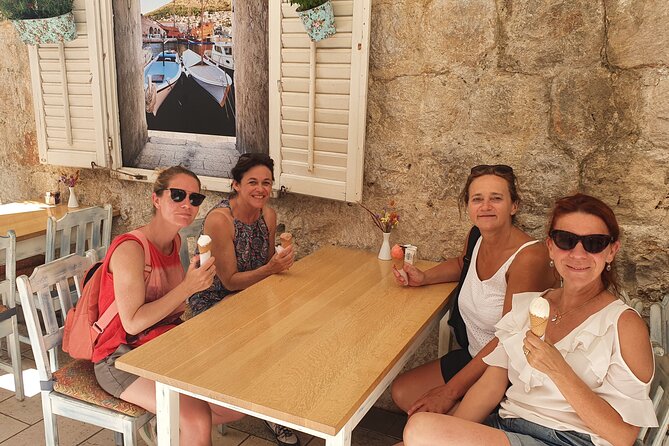
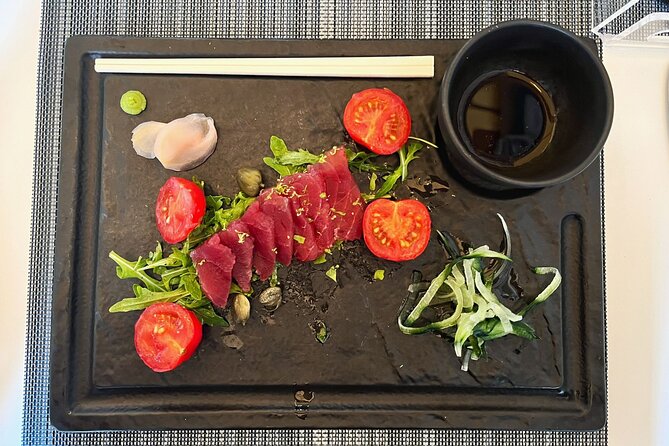
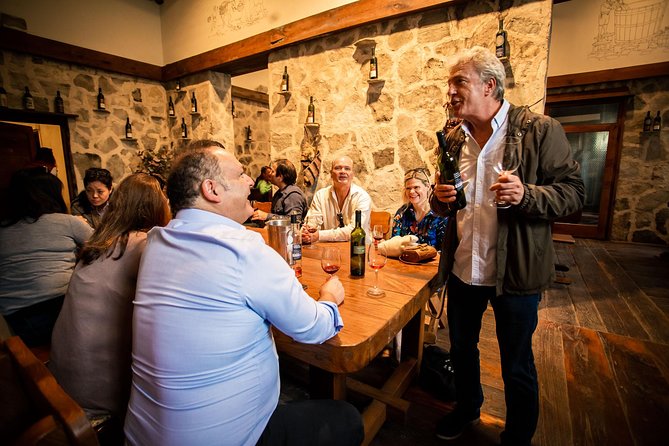
The central part of the experience takes place at two restaurants. You taste four wines with four dishes over about an hour. The menu covers fish, seafood, and meat, giving you a useful survey of Croatian cooking rather than repeating one style of food.
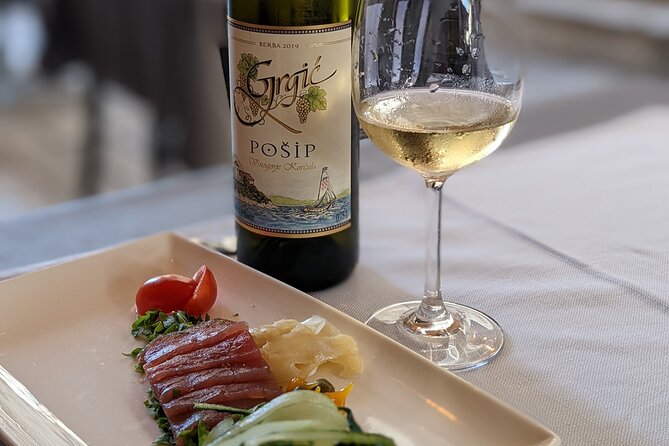
The first fish course comes with a Croatian white wine. The grape variety received recognition from Decanter in 2021. You then have a seafood dish paired with another Croatian white wine from the same general tradition of locally produced varieties.
White wine is a logical match for the seafood courses, but the value here is the explanation. Your guide can show you how the wine works with the food rather than asking you to judge the bottle by itself. That pairing approach makes the tasting more practical for anyone who wants to order Croatian wine with dinner.
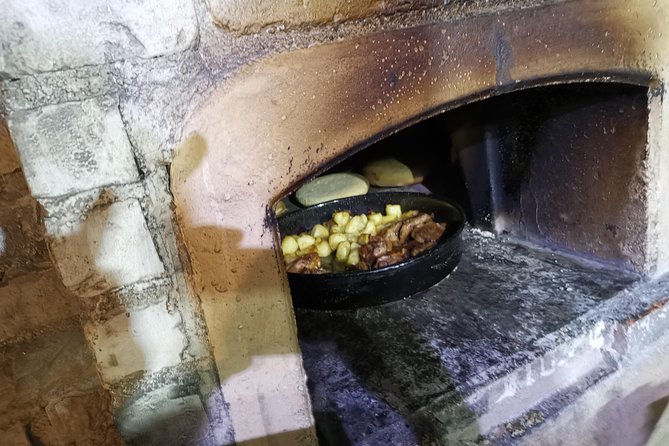
The third savory course is a meat dish based on a very old recipe dating to the 16th century. It is paired with a locally produced white variety recognized by Decanter in 2017. This is a useful reminder that white wine is not limited to fish. Depending on the preparation, it can work with a meat dish as well.
The final main course is meat served with Croatia’s most important red grape variety. The wine comes from the oldest protected winegrowing zone in Croatia, near Dubrovnik. This is the point where the tasting shifts from lighter coastal whites to the region’s red wine identity.
You receive four dishes, not four tiny tastes. That matters when judging the price. You are paying for a guided meal as well as the instruction, and the portions should carry you through the afternoon. The exact dishes can change, but the stated menu gives you a clear expectation: fish, seafood, two meat preparations, and dessert.
What the food tells you about Dubrovnik
The meal is designed to show how geography, trade, and local tradition shaped Dubrovnik’s table. Seafood reflects the city’s position on the Adriatic, while older meat recipes point to the inland influences that reached the republic through trade and neighboring regions.
The 16th-century recipe is especially useful because it connects a plate in front of you with the city’s past. You are not only tasting something described as traditional. You are hearing why old recipes survived and how food fit into Dubrovnik’s social and political life.
The tour also gives you a chance to compare home-style cooking with restaurant presentation. Since the stops are family-run places, the atmosphere should feel more personal than a large dining room, though the exact mood can vary by venue and group size.
One possible weakness is that the experience centers on the guide’s chosen subjects. A past rating of three out of five described it as simple and basic and felt the guide’s interests received more attention than the participants’ preferences. That is worth taking seriously. If you want a highly flexible route or have strong dietary needs, ask about those before booking.
Dessert and the walk to Rector’s Palace
The final stop is for dessert, at a fourth family-run place. The details of the dessert are not specified, so you should treat it as a finishing course rather than book this for one particular sweet.
Ending at Rector’s Palace is a sensible choice. The palace is one of Dubrovnik’s most important buildings, and the final discussion focuses on the political system of the old republic. You hear how the aristocracy managed threats from stronger powers and how Dubrovnik protected its interests through careful diplomacy and political organization.
This is also where the tour’s food and history themes come together. The city’s survival depended on trade, negotiation, food supply, and control of valuable goods such as wine and olive oil. You finish with a better sense of Dubrovnik as a working republic, not only a beautiful stone city.
Is $205.59 a fair price?

At $205.59 per person, this is a premium experience. The price includes a small-group walk, a guide with formal wine training, an olive oil evaluation, four dishes, four wines, and dessert. Since the food portions are not described as miniature samples, the meal component adds real value.
Still, the price will make more sense to you if you are interested in wine. If you mainly want a cheap introduction to Croatian food, you can spend less by ordering a meal and a glass of local wine on your own. You would not get the guided comparisons, the olive oil lesson, or the historical connection between each stop.
The maximum group size is 12, which keeps the price from being comparable to a private tour. It does, however, offer a more personal format than a large bus-based tasting. If Dom leads your group, his local background and willingness to answer detailed questions can make the cost feel more worthwhile.
I would consider this a good splurge for a couple or small group that plans its trip around food and wine. It is less appealing if you are counting every kuna, have limited interest in alcohol, or want a full sightseeing tour with admission to several monuments.
Who should book this experience?
I would book this tour early in a Dubrovnik stay, ideally on your first day or second day. The walk helps you understand the Old Town, and the food advice can guide later restaurant choices. The tour is booked well in advance on average, so waiting until the last minute may not work during busy periods.
You should choose it if you want:
- A guided introduction to Croatian wine and olive oil
- A substantial meal spread across several family-run places
- Local history connected to food, trade, and politics
- A small group rather than a large organized outing
- A guide who can discuss wine at an advanced level
- A walking activity that covers many Old Town landmarks
You may want something else if you prefer a private itinerary, dislike group pacing, or want detailed information about every historical building. You should also note that wine tasting is limited to people aged 18 and over. The tour is conducted in English, requires good weather, and allows service animals. Most people can participate, but it is still a walking tour through the Old Town.
Free cancellation is available up to 24 hours before the 4 p.m. start time. If poor weather cancels the experience, you are offered another date or a full refund.
Should you book the Dubrovnik wine and food walk?
Book it if Croatian wine, olive oil, and local food are central to your trip. The combination of four wines, four dishes, an olive oil lesson, and Old Town history gives you more substance than a standard tasting stop. Dom is an especially strong guide when available, thanks to his local roots and formal wine background.
Skip it if you want a low-cost meal, a private tour, or a fully flexible food route. The price is high, and the guide’s interests shape the experience. For the right person, though, this is a smart first-day introduction to Dubrovnik, with enough food to count as lunch and enough context to make the city’s streets more meaningful.
FAQ
Where does the tour begin?
It begins at Large Onofrio’s Fountain, Poljana Paska Miličevića, in Dubrovnik’s Old Town.
Where does the tour end?
The tour ends at Rector’s Palace, on Ul. Pred Dvorom.
What time does the tour start?
The scheduled start time is 4 p.m.
How long does the tour last?
The experience lasts approximately three hours.
How many people can join the tour?
The maximum group size is 12 people.
What food is included?
The meal includes four dishes made with locally produced ingredients: fish, seafood, two meat dishes, and dessert.
How many wines are included?
You taste four Croatian wines, including white and red varieties from the Dubrovnik region and other locally produced varieties.
Is olive oil included?
Yes. You receive a guided evaluation of extra virgin olive oil and taste two Croatian oils recognized at the New York International Olive Oil Competition.
Is the tour available in English?
Yes. The tour is offered in English.
Can children join the wine tasting?
Wine tasting is available only to people aged 18 and over.
What happens if the weather is poor?
The experience requires good weather. If it is canceled because of poor weather, you are offered another date or a full refund.
Can I cancel for a full refund?
Yes. You must cancel at least 24 hours before the scheduled start time for a full refund.
Just added around Croatia
- Zadar, Šibenik: olive oil, wine & food tasting, Self Drive★ 4.7 · 9 reviews
- Private tour of Brač island with olive oil tasting★ 5.0 · 2 reviews
- Wine, Honey & Olive Oil of Solta Island – Tasting Tour★ 5.0 · 4 reviews
- Olive Oil Tour of Solta Island with Lunch★ 5.0 · 4 reviews
- Makarska Tuk Tuk Tour Olive Grove, Scenic Views and Tastings★ 5.0 · 3 reviews
- Small-Group Olive Oil Tour in Cres with Tasting★ 5.0 · 2 reviews
- Private Hvar Island Tour and Olive Oil Tasting★ 4.5 · 10 reviews
- Poreč: Olive Grove Walk and Tasting with Local Products★ 5.0 · 5 reviews
Olive Oil & Wine Tours, compared.
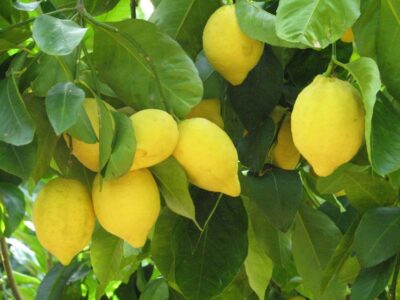
Sorrento Farm and Food Experience including Olive Oil, Limoncello, Wine tasting
Read our review →
Lemon, Olive Oil and Wine Tasting Tour with Lunch
Read our review →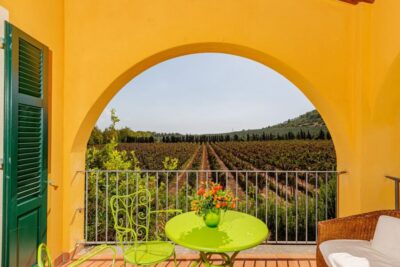
Browse the lists this tour appears in