
REVIEW · CORFU
North Corfu Olive Tour With Olive oil Tasting & Meze
Corfu’s olive culture comes alive in Loutses, where old trees, a working family olive mill, and a long meze lunch fit into one relaxed morning. You begin with the grove itself, then see how olives become oil before tasting the result at the table.
I like the direct link between farming, production, and food. I also like the small maximum of 12 people, which gives Jonathan room to explain the process and answer questions. The main drawback is transport: there is no pickup, and Loutses is about 50 minutes from Corfu Port.
Key points to know before booking
- Walk among centuries-old olive trees: The tour begins in the Corfiot olive grove, with time to notice local plants and wildlife.
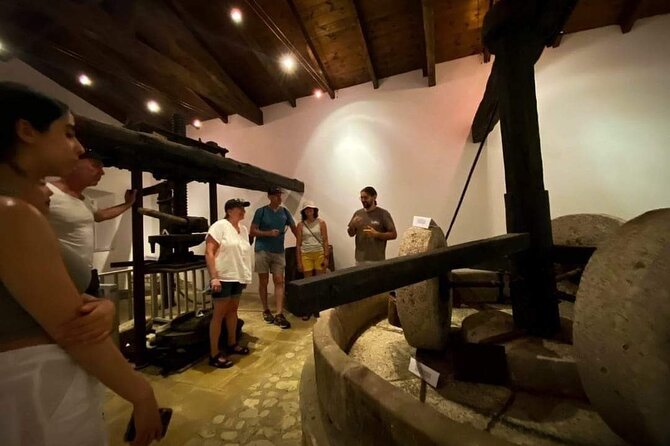
- Visit an early-19th-century olive mill: You get exclusive access to the traditional mill and press, not just a quick photo stop.
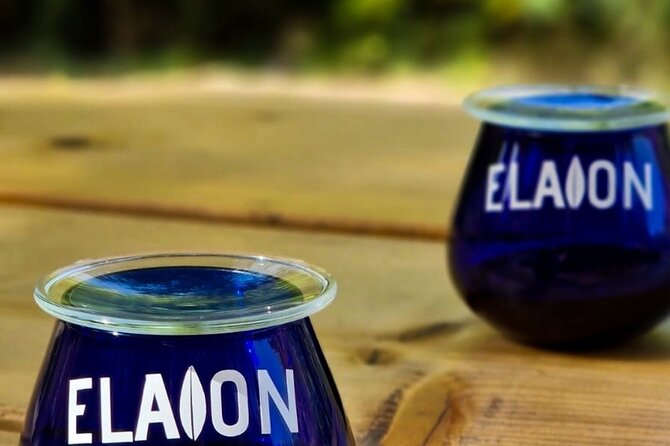
- Taste oil in a private setting: The tasting focuses on organic olive oil and the details that affect its flavor.
- Finish with a full Corfiot meze: Expect meat cuts, seasonal vegetables, fruit, bread, olives, and olive oil.
- Meet Jonathan in a small group: His personal connection to olive farming and production shapes the tour.
- Plan your own route to Loutses: The tour starts at 10 a.m. and does not include hotel or port pickup.
Why Loutses makes a good setting for an olive tour
Loutses gives this experience a rural feel from the first few minutes. Instead of starting in a shop or tasting room, you meet your olive oil expert in a traditional village and walk into the surrounding grove. That order matters. You first see the trees and their setting, then learn what happens after harvest.
Corfu is closely tied to olive growing, and the grove here is not a neat row of young trees designed for easy viewing. You will see old Corfiot olives that have lived for hundreds of years. Their twisted forms help show how long olive farming has been part of local life.
The walk also includes more than the trees. You are introduced to the plants and animals of the area, so the experience has an ecological side. This is useful if you want to understand the grove as a living environment rather than simply a source of oil.
The walking section lasts about an hour. That gives you enough time to ask about cultivation, varieties, and the demands of keeping a family olive business going. Jonathan’s approach is described as funny and engaging, but the content remains practical: growing olives, producing oil, and preserving older methods.
You should still think about footwear and the weather. The tour takes place outdoors and requires a walk through the grove. No difficult hiking level is specified, but this is not a seated tasting from start to finish.
More Olive Oil Tastings in Corfu:
- The Governor’s Olive Mill Tour with Olive Oil Tasting
★ 5.0 · 502 reviews - Corfu: Greek Cooking Class & Olive Oil Tasting
★ 5.0 · 178 reviews - Winery tour with Wine and Olive tasting in Corfu
★ 4.5 · 65 reviews
Meeting Jonathan and getting the morning started
The meeting point is at Loutses 1, Loutses 491 00, Greece. The start time is 10 a.m., and the activity returns to the same point after roughly three and a half hours.
Jonathan is the key personality here. The tour includes his personal story and his connection to a generational family business, which gives the production lesson a human side. You are not only hearing a general explanation of olive oil. You are also hearing about the work and problems involved in keeping a traditional operation going.
The group size is capped at 12 people. That is small enough for a more personal exchange, especially during the mill visit and tasting. If you like asking questions, this format should work better than a large coach group where explanations are repeated over a microphone.
The practical issue is getting there. No pickup is included, and the location is approximately 50 minutes from Corfu Port. If you are arriving by cruise ship, you need to allow for disembarkation, transport, and the return journey. The tour itself lasts three and a half hours, but your full outing will take longer once driving time is added.
The meeting point is described as easy to find, and the activity is near public transportation. Still, the provided details do not specify a pickup service or a particular bus route. Check your transport plan before paying, especially if you are staying far from Loutses.
An hour among Corfu’s old olive trees
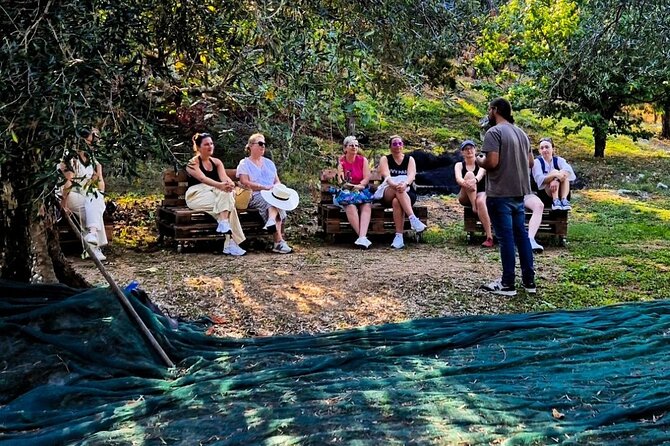
The first real part of the tour is a walk through the grove. You will see perennial Corfiot olive trees, some hundreds of years old, and learn about the surrounding flora and fauna.
That setting gives the later tasting more meaning. When you taste the oil, you have already seen the trees and the place where the process begins. I prefer this kind of food experience to one that treats local products as isolated souvenirs.
The grove also gives you a chance to slow down. The morning is not built around rushing between several attractions. The schedule allows about an hour outdoors, which suits anyone who wants a calm introduction to rural Corfu.
This portion may be less appealing if you want a fast sightseeing tour with several major sights. The focus is narrow by design. You are learning about olives, not covering the island’s beaches, churches, or towns.
The information provided does not give a firm breakdown of the terrain, shade, or accessibility of the walking route. Most people can participate, but you should be comfortable with a rural walk and sensible about hot or wet weather. The tour requires good weather and may be rescheduled or refunded if conditions force cancellation.
Inside the early-19th-century mill and press
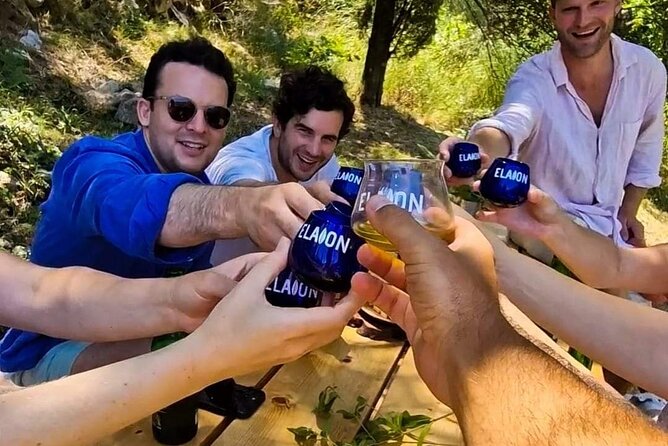
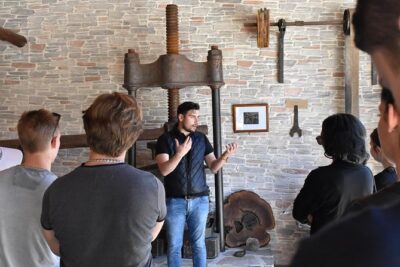
After the grove, you walk a short distance to the private olive mill and press. The mill dates to the early 19th century, giving the production lesson a strong sense of place.
Here, the guide explains how olive oil is made and the secrets behind the process. This is the point where the tour moves from agriculture to craft. You can connect the condition of the fruit, the work of the producer, and the qualities found in the finished oil.
The older equipment and family setting are important. A modern factory tour might explain machinery efficiently, but an old mill shows how oil production belongs to the local past as well as the present. The emphasis here is on tradition and the effort required to keep it alive.
You should not expect a large industrial facility or a long technical lecture. The experience is built around a small private mill and a personal explanation. That will suit you if you value context, conversation, and local production methods more than a polished visitor center.
The mill visit lasts about an hour. That is a generous amount of time for a tour of one production site. It also means the experience is not merely a short stop before lunch.
A few more olive oil tours around Corfu worth a look
- Corfu: Olive Oil Experience – The Governor’s Olive Mill
★ 4.9 · 138 reviews - Cooking Classes and olive oil tasting.The real taste of Greece!
★ 5.0 · 56 reviews - Symphony of Flavors – Corfu Old Town Food and Olive Oil Tasting
★ 5.0 · 17 reviews - Exclusive Olive Oil Tasting in Corfu Old Town
★ 5.0 · 15 reviews
Learning to taste olive oil properly
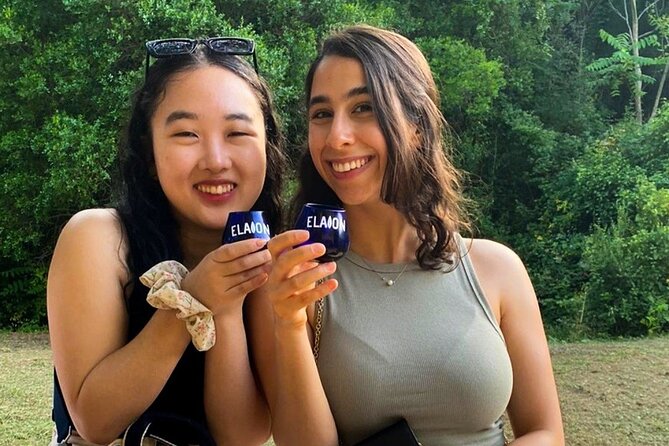
The tasting takes place in a private setting after the mill visit. You sample organic olive oil and learn how to consider it as a food rather than treating it as a bottle to take home.
The supplied details do not list the exact number of oils or a formal tasting scorecard, so you should not expect a fixed tasting menu with a specified lineup. What you can expect is a guided look at the oil produced within this traditional setting.
This is where questions become especially useful. Ask about the flavor differences between oils, the role of the olive varieties, and how production choices affect the final result. Jonathan’s explanations are a major part of the value, so take advantage of the small group.
The private setting also keeps the tasting connected to the family operation. It does not feel like a supermarket demonstration. The point is to understand the product at its source and then use it in the meal that follows.
I like that the tasting is not treated as the whole experience. Oil can be difficult to understand when you only sample it from a small cup. Here, you have already walked through the grove and visited the press, so the tasting becomes the final step in a clear story.
The Corfiot meze is more than a snack
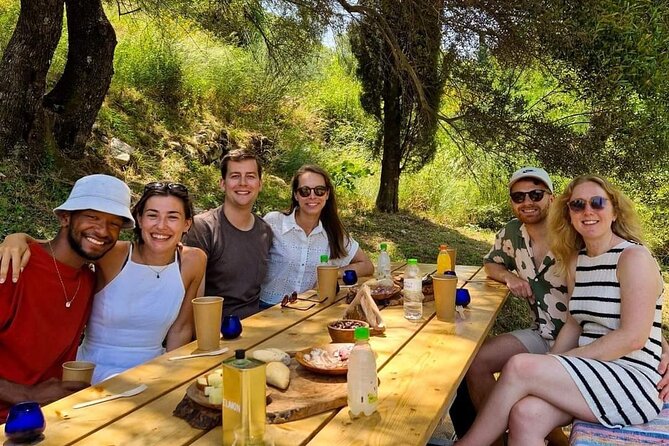
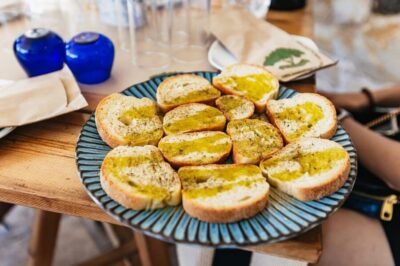
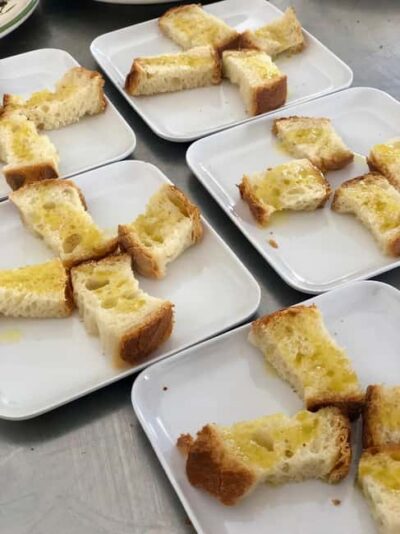
The tour ends with a food pairing built around Corfiot products. The spread includes Corfiot meat cuts, seasonal vegetables, fruit, fresh bread, olives, and olive oil. You also receive a glass of homemade wine or a soft drink.
This sounds closer to a light lunch than a token sample. The food reviews supplied describe the meal as generous in quality, with particular praise for the food, olives, oil, and homemade wine. That matters when judging the price, since the meal is a substantial part of the morning rather than an afterthought.
The menu is tied to the season and the region. Seasonal vegetables and fresh bread help you taste the oil in a normal local-food setting, while the meat cuts and olives add variety. The experience moves from oil as an object of study to oil as something you actually eat.
The homemade wine is optional in the sense that a soft drink is also offered. The provided details do not specify the wine style, alcohol content, or alternative dietary menu, so contact the provider before booking if you have food allergies or strict dietary needs.
Expect the meal to be a social finish. The final hour gives you time to sit, eat, and continue talking with Jonathan and the team. It is a good match for you if you enjoy food experiences that leave room for conversation instead of sending you straight back into a busy sightseeing schedule.
Is $74.98 a fair price?
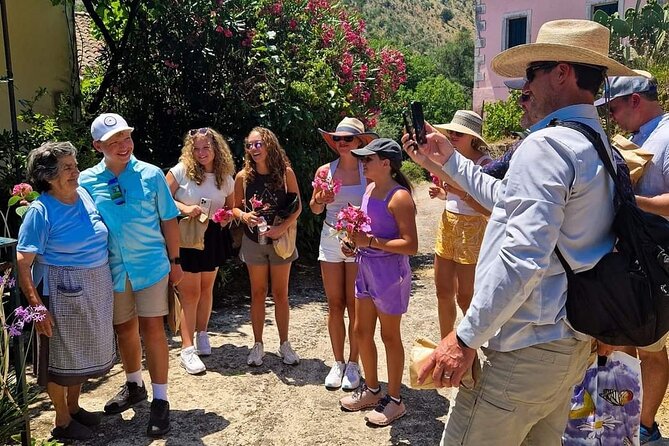
At $74.98 per person, this is not the cheapest olive oil tasting in Corfu. It is also more than a simple farm visit. The price covers about three and a half hours, a guided grove walk, access to an early-19th-century mill, an oil tasting, and a substantial meze with a drink.
The value depends on how you plan your day. If you only want to sample oil and buy a bottle, you can likely find a shorter and less costly option. If you want to understand where the oil comes from, see traditional equipment, and eat a full selection of local food, the price is easier to justify.
The small group helps. A maximum of 12 people gives the experience a more personal feel than a large excursion. The guide’s family connection and personal story also add value that is hard to measure on a menu.
Transport is the one cost you need to add mentally. Since no pickup is offered, you are responsible for reaching Loutses and returning afterward. If you need a taxi or private car, the total cost of the morning will be higher than the advertised per-person price.
The activity is usually booked about 24 days ahead. That suggests you should not leave it until the final day of your holiday if the date matters to you, especially because the group is small.
Who will enjoy this most?
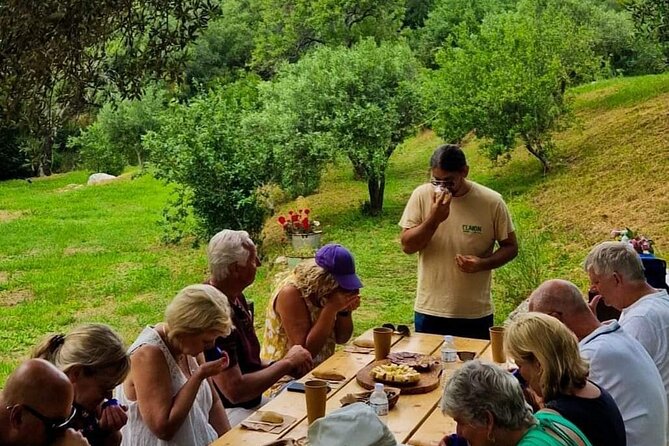
I would choose this tour if you want a slower, food-focused side of Corfu. It suits people who enjoy local agriculture, family businesses, traditional production, and meals made from regional ingredients.
It is also a good fit for couples, families, and small groups who want one shared activity without spending a full day on a major excursion. Most people can participate, and service animals are allowed.
You will probably enjoy it less if your main goal is a beach morning, a port pickup, or a packed sightseeing schedule. The location is outside the main port area, and the experience asks you to spend time walking, listening, tasting, and eating.
The tour is offered in English. Confirmation is received at booking, and you can use a mobile ticket. These details make the booking side simple, but they do not remove the need to arrange your own transport.
A useful add-on near Loutses
One helpful idea is to combine this morning with Old Perithea, which one supplied comment specifically recommends as an added stop up the road. The tour does not include that visit, so you would need to plan it separately and confirm your transport and available time.
This could turn the olive tour into a fuller North Corfu outing. Keep your schedule realistic, though. The tour begins at 10 a.m. and ends back at the meeting point around 1:30 p.m., before you account for the drive home.
Should you book the North Corfu Olive Tour?
Book it if you want a genuine look at Corfu’s olive culture, not just a quick tasting. The best parts are the old trees, the early-19th-century mill, Jonathan’s personal explanations, and the generous meze that brings the whole subject back to the table.
Think twice if you need port pickup or have a tight cruise schedule. You also need to accept the non-refundable booking terms, though poor weather can lead to a different date or a full refund.
For the right visitor, $74.98 buys a focused, personal morning with food, drink, history, and countryside. Arrange your transport first, allow extra time around the 50-minute journey from Corfu Port, and this is a strong choice for seeing a quieter side of the island.
FAQ
Where does the North Corfu Olive Tour start?
It starts at Loutses 1, Loutses 491 00, Greece, at 10 a.m. The activity ends back at the same meeting point.
How long does the tour last?
The experience lasts approximately three hours and 30 minutes, including the grove walk, mill visit, tasting, meze, and return to the meeting point.
Is transportation from Corfu Port included?
No. There is no pickup with this booking. Loutses is approximately 50 minutes from Corfu Port, so you must arrange your own transportation.
What food and drink are included?
The meze includes Corfiot meat cuts, seasonal vegetables, fruit, fresh bread, olives, and olive oil. You receive a glass of homemade wine or a soft drink.
How many people can join the tour?
The activity has a maximum of 12 participants.
What happens if bad weather cancels the tour?
The experience requires good weather. If it is canceled because of poor weather, you will be offered a different date or a full refund.
Just added around Corfu
- Bus Trip with Swim to Paleokastritsa and Olive Oil Museum★ 5.0 · 3 reviews
- Corfu Organic Olive Oil Tasting at Family Farm★ 5.0 · 5 reviews
- Hiking in the Olive Groves,Villages,Sunset,with Swim Stop★ 5.0 · 8 reviews
- Corfu: Hiking in Olive Groves,Village,Sunset,with Swim Stop★ 5.0 · 13 reviews
- Wine Tour and Olive Tasting- Small Group Tour★ 3.5 · 14 reviews
- Exclusive Olive Oil Tasting in Corfu Old Town★ 5.0 · 15 reviews
- Symphony of Flavors – Corfu Old Town Food and Olive Oil Tasting★ 5.0 · 17 reviews
- Cooking Classes and olive oil tasting.The real taste of Greece!★ 5.0 · 56 reviews
Olive Oil Tastings, compared.
The Governor’s Olive Mill Tour with Olive Oil Tasting
Read our review →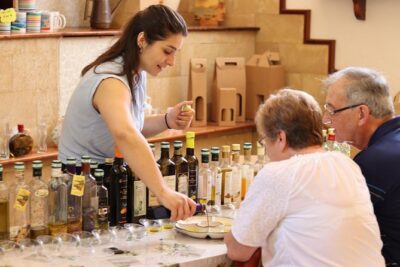
Masseria tour among thousand-year-old olive trees with oil tasting
Read our review →
Olive Grove Tour with Wines & Olive Oil Tasting
Read our review →
Bardolino: Lake Garda Oil Mill Tour with Olive Oil Tasting
Read our review →
Guided tour and olive oil tasting in Alhaurin el Grande (Málaga)
Read our review →Browse the lists this tour appears in