
REVIEW · SPLIT
Split: Olive museum Klis with Olive Oil Tasting
The clever part of this $18 Stella Croatica experience is that it turns olive oil into something you can actually judge, not just something poured into a little dish. You learn to smell and taste two oils labeled extra virgin, then compare their qualities with the guidance of a tasting instructor.
I like the mix of food production, herbs, old buildings, and museum exhibits. I also like that you get free time afterward to browse the shop, walk through the botanical collection, or stay for a traditional lunch. The main thing to know is that there are no olive groves on the property, so this is a museum and tasting visit rather than a walk through working olive fields.
- The olive oil lesson is the main event: Learn the basic tasting method used by professional tasters, then test two oils yourself.
- The estate shows more than olive oil: See local products made from figs, almonds, oranges, and lavender.
- The botanical collection includes 500 species: The garden adds a pleasant outdoor break to the indoor tour.
- The museum earned European attention: The Olive Oil Museum was a finalist for the 2023 European Museum of the Year Award.
- You can taste before you shop: Traditional sweets, handmade goods, and natural cosmetics are part of the visit.
- The price is easy to justify: At $18 per person, the guided tour, museum admission, tastings, and workshop offer a good-value short outing near Klis.
What You Are Really Visiting at Stella Croatica
Stella Croatica is a traditional Croatian family estate in Dalmatia, presented as a working cultural and food center. The visit is not built around one grand sight. Instead, it gives you several small windows into local production, from fruit sweets and lavender goods to essential oils, herbs, cosmetics, and olive oil.
You begin in the main building after following the signs from the main road. Your English-speaking host meets you there and takes you through the estate. The experience ends back at the same meeting point, so you do not need to arrange a second pickup point or find your way across the property afterward.
I would think of this as a compact cultural visit rather than a full-day excursion. It suits a morning or afternoon when you want something connected to Dalmatia but do not want another demanding sightseeing stop.
Inside the Family Workshop
One of the first sections shows local women producing and packing traditional goods. The ingredients include figs, almonds, oranges, and lavender, all familiar parts of Dalmatian food and farming culture.
This is a useful stop because it gives you a look at the work behind the polished products in the shop. You see that the estate is not only displaying old tools or telling stories about regional food. It also connects those traditions to current production and packaging.
The tasting of traditional sweets is included. That matters if you are visiting with children or with someone who is less interested in olive oil. A nine-year-old visitor reportedly found the explanations clear and the tasting workshop interesting, which suggests the material is presented in a fairly accessible way rather than as a technical lecture.
You can also test natural cosmetics made with plant-based ingredients. The visit explains how essential oils are extracted from typical Dalmatian herbs and then used in cosmetics. You should not expect a full cosmetics class, but this section helps connect the garden, the local plants, and the products sold on the estate.
More Olive Oil Tastings in Croatia:
- Hvar: Island tour with Wine and Olive Oil Tasting
★ 4.9 · 77 reviews - Olive museum Klis with educational olive oil tasting
★ 4.5 · 50 reviews - Krka Waterfalls Tour with Wine and Olive Oil Tasting
★ 4.5 · 48 reviews
The 500-Species Botanical Collection
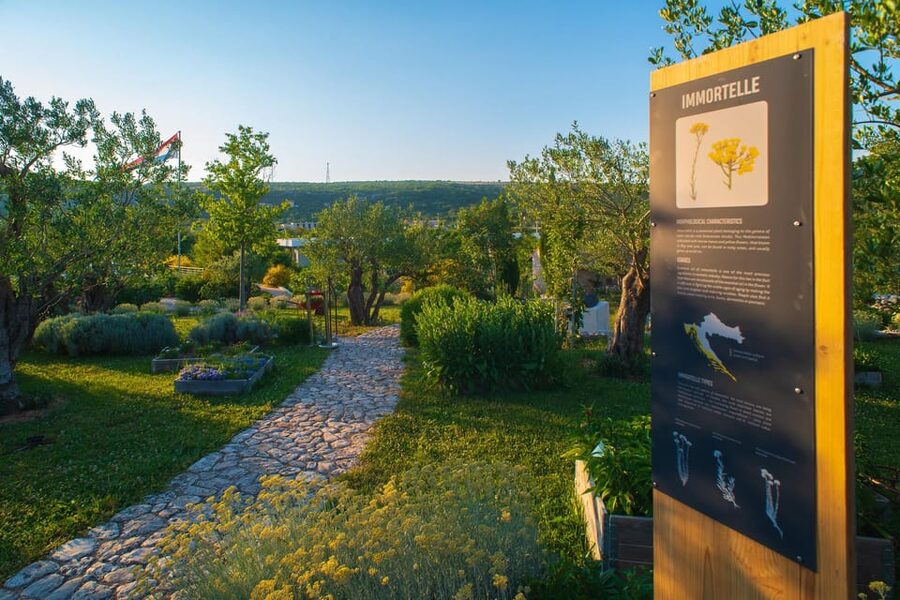
The botanical collection is one of the more appealing parts of the visit for anyone who needs fresh air between indoor stops. It contains 500 species, and the guide explains what some of the plants can be used for.
That practical angle is important. You are not simply walking past labeled greenery. The garden links plants to food, fragrance, traditional remedies, and cosmetics. It gives you a better sense of why herbs such as lavender matter in Dalmatian household and commercial products.
The garden is described as scenic, but it is not a vast park. One visitor called it cute but small. I would set your expectations accordingly. It is a pleasant part of the estate and a nice place to slow down, not a major botanical garden that deserves a separate day.
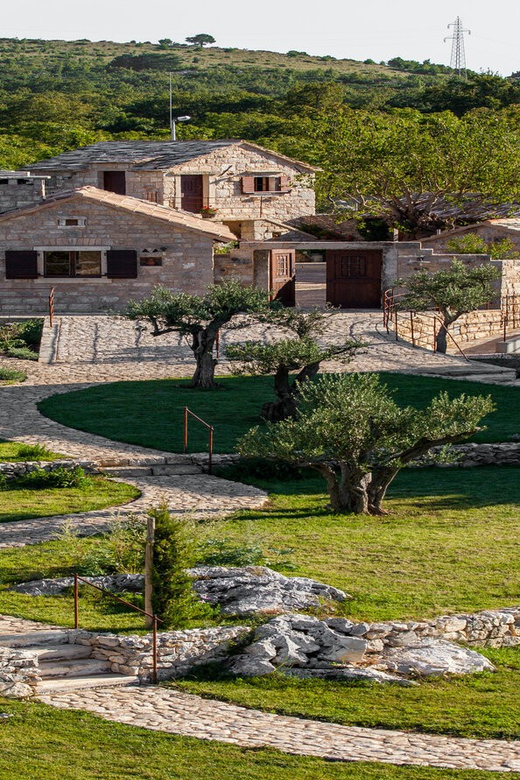
The property also includes old buildings to explore. These add character and help make the visit feel like an estate tour rather than a simple museum admission.
The Olive Oil Museum Near Klis
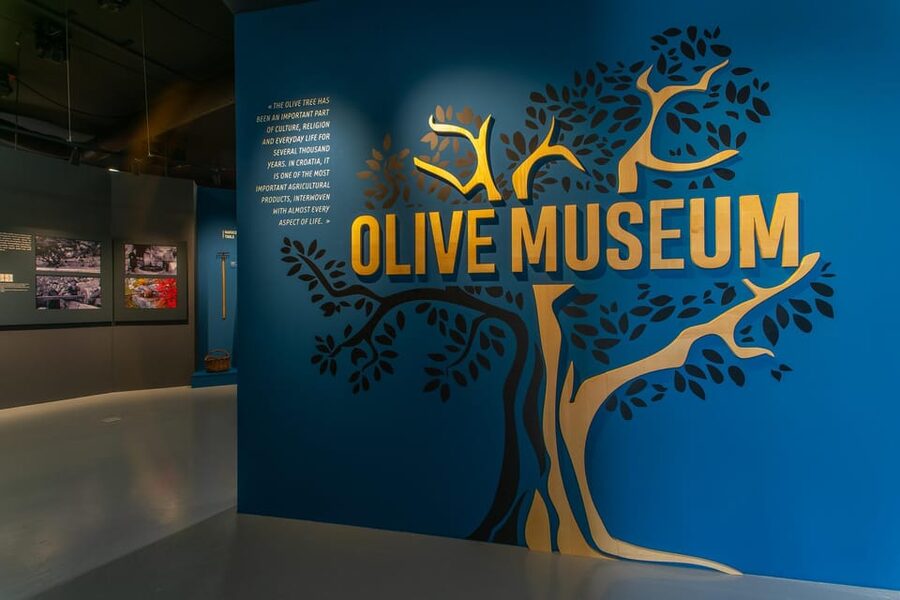
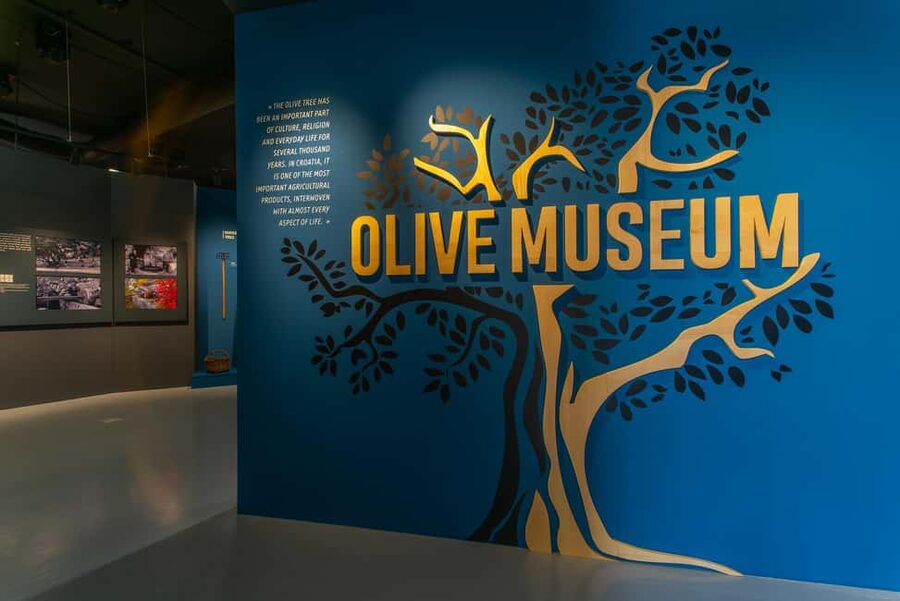
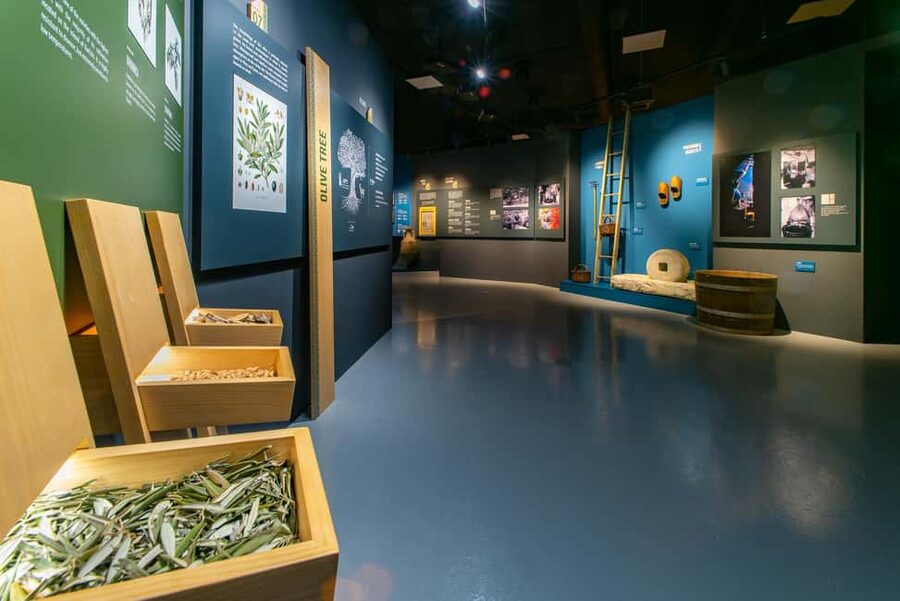
The Olive Oil Museum is the center of the experience. Its subject is the liquid gold produced across Croatia, and its presentation earned a place as a finalist for the European Museum of the Year Award in 2023.
That recognition tells you the museum has a serious purpose, but the experience still depends on how the guide presents it. The information covers the history and types of olive oil, as well as the role of olive cultivation and production in Croatia.
I found the museum’s strongest value is preparation for the tasting. If you walk in knowing little about olive oil, the exhibits give you a useful foundation. You learn why extra virgin is a quality category, what to notice in the aroma, and why a pleasant smell or attractive bottle does not automatically mean a good oil.
The museum may not satisfy everyone. One visitor found the indoor presentation dull and the guide unenthusiastic, even while describing the overall visit as worthwhile for the price. That is a fair warning. If you dislike museums with explanatory displays, the olive oil workshop will probably be more engaging than the museum rooms themselves.
You should also remember the missing olive trees. The site does not provide a view of olive fields or a working grove. If your ideal olive oil visit involves walking among trees, seeing harvesting, and watching pressing equipment in operation, this is not that kind of stop.
Learning to Taste Extra Virgin Olive Oil
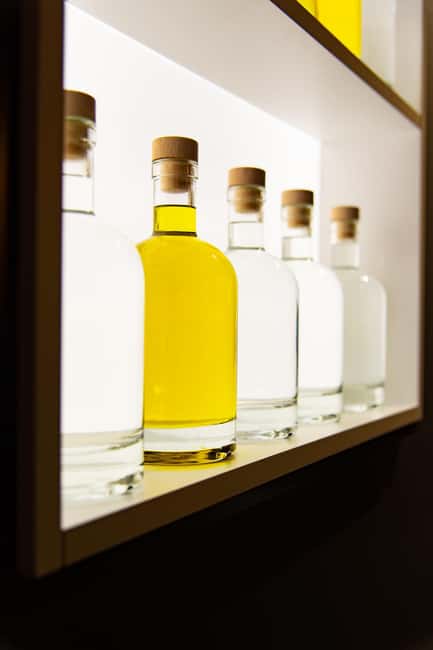
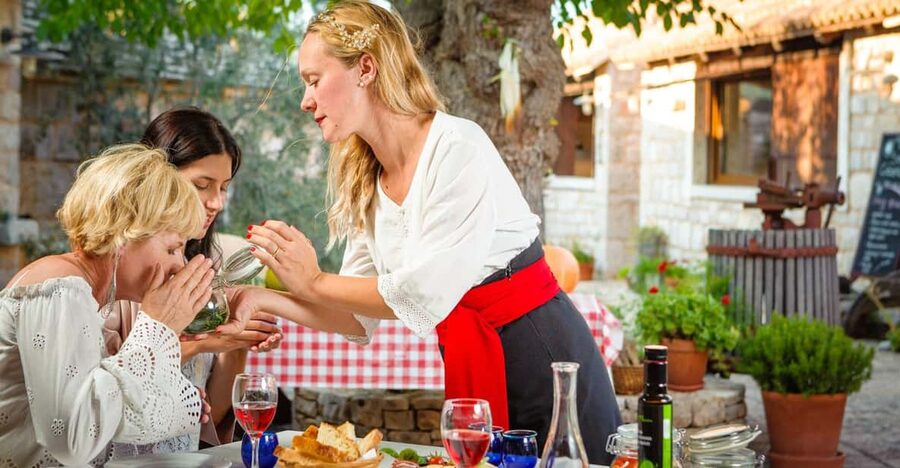
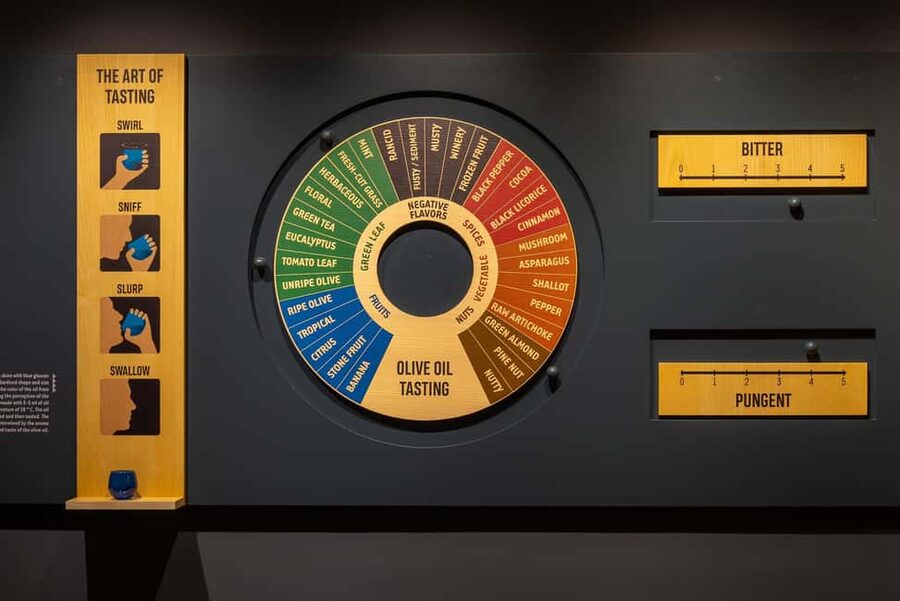
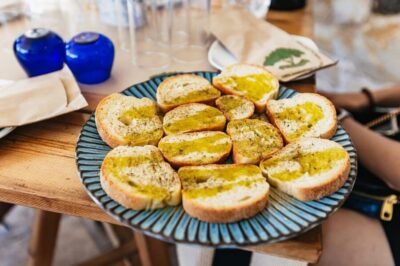
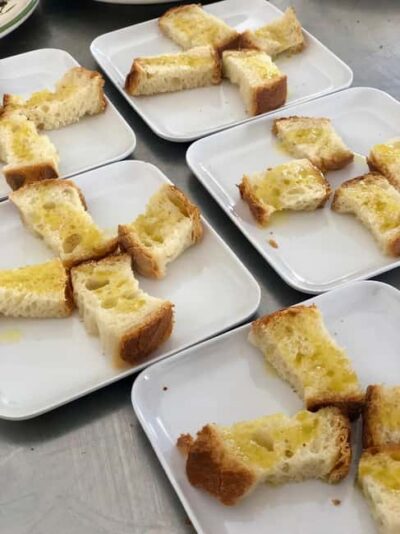
The tasting room is where the visit becomes practical. Instead of simply sampling oil with bread and deciding which one tastes better, you learn a basic professional method.
Your host explains how to use smell and taste to assess oil. You then taste two different oils, both labeled as extra virgin. The point is to compare them and notice differences in quality, aroma, and flavor.
The process is interactive. You are encouraged to sniff and taste in a way similar to a sommelier. That gives you something useful to take home: the ability to pay closer attention when buying olive oil in Croatia or elsewhere.
I like this part because it avoids treating olive oil as a decorative souvenir. Good oil has recognizable characteristics, and poor oil can reveal faults once you know what to look for. The workshop gives you a simple framework without requiring specialist knowledge.
The session is also suitable for families. The explanations are clear enough for a child to follow, while adults who already cook with olive oil can still pick up useful tips. You will not become a certified taster in one sitting, but you should leave better equipped to question vague labels and attractive packaging.
The two-oil format keeps the tasting focused. It does mean you should not expect a large flight of regional oils. This is a short introduction, not an advanced comparison of every Croatian olive-growing area.
A few more olive oil tours around Croatia worth a look
- Split: Klis Fortress GOT and Olive Museum Entry Tickets
★ 4.6 · 283 reviews - Split: Blue Line Sightseeing to Trogir, Klis & Olive Museum
★ 4.3 · 197 reviews - Visit Klis fortress GOT & Olive museum Klis
★ 4.5 · 77 reviews - Pula: House of Istrian Olive Oil Museum and Guided Tasting
★ 4.9 · 35 reviews
The Concept Store and Handmade Products
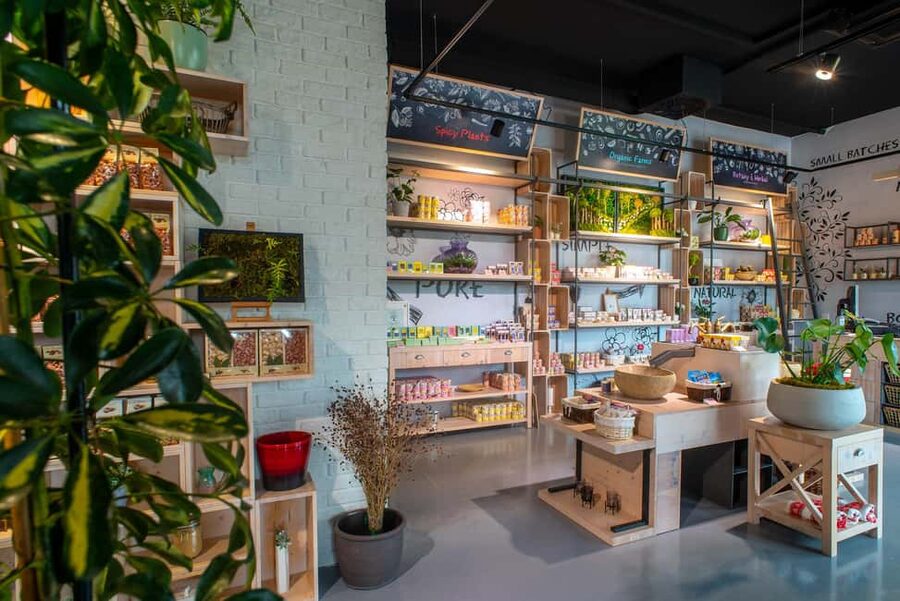
After the guided portion, you have time to browse the concept store. Traditional sweets and handmade goods are available to taste, and you can buy products at factory prices.
This is a good arrangement because you can sample before spending money. You are not pushed into buying a bottle of oil or a box of sweets simply because you joined the tour. You can take your time, decide what you actually like, and continue through the estate without rushing.
The shop includes more than olive oil. Look for products made with figs, almonds, oranges, lavender, and other local ingredients, along with natural cosmetics. These make practical souvenirs, especially if you prefer edible or useful gifts to standard tourist merchandise.
The tasting of traditional sweets is included, but additional food and drinks are not. If you want a proper meal, the estate offers the possibility of a traditional lunch after the tour. The supplied details do not include the lunch price or menu, so plan to treat it as an optional extra rather than part of the $18 package.
How Much Value You Get for $18
At $18 per person, the visit offers a strong amount of content for a modest price. The fee includes entry to Stella Croatica and the Olive Oil Museum, a guided tour, two olive oil tastings, traditional sweets, and testing of natural cosmetics.
The value is best for you if you enjoy several related activities in one place. You get food production, herbs, cosmetics, museum displays, shopping, and a guided tasting. If you only want to sample olive oil, you may find the rest of the tour unnecessary.
The price also makes the visit a reasonable choice for families. Children can follow the sweets, garden, and old buildings, while adults get more from the history and tasting lesson. The clear explanations make the experience less demanding than a specialist food tour.
I would not book it solely because the museum received European recognition. An award finalist designation is interesting, but the actual appeal is the combination of the museum and the hands-on tasting. The museum section may feel slow if your guide is not lively, while the tasting instructor appears to be the more engaging part of the program.
Practical Details Before You Go
The meeting point is Stella Croatica. Follow the signs from the main road, enter the main building, and wait for your host. The activity finishes at the same location.
The tour is offered in English. Food and drinks from outside are not allowed, and video recording is not allowed. You can, however, taste the included sweets and olive oils during the visit.
The booking terms are flexible. You can reserve and pay later, and cancellation is available up to 24 hours before the visit for a full refund. Those terms are useful if your plans around Split and Klis are still changing.
You should allow time after the guided portion for the garden, shop, old buildings, or lunch. The visit is more enjoyable when you do not treat it as a quick museum stop and rush away immediately after the tasting.
Who Will Enjoy This Visit Most
I would recommend Stella Croatica to you if you want a short cultural experience with something to taste and do. It is especially suitable for:
- Families looking for an activity that works for adults and children
- Cooks and food lovers curious about extra virgin olive oil
- Visitors who want local sweets, cosmetics, and edible souvenirs
- Anyone visiting Klis who wants a break from fortresses and panoramic viewpoints
- People who prefer a guided introduction rather than independent museum browsing
I would be more cautious if you are expecting olive orchards, a full production tour, or a large professional tasting. You will not see fields of olive trees at the estate, and the museum can feel dry if the presentation lacks energy.
The experience also suits you if you like learning a small skill you can use later. After the tasting, you will have a better idea of how to smell and judge olive oil instead of choosing only by price or packaging.
Should You Book Stella Croatica?
Book this experience if the idea of connecting Dalmatian plants, food production, and olive oil appeals to you. The olive oil tasting and clear instruction are the strongest reasons to go, while the garden, sweets, cosmetics, and shop give the visit enough variety for a mixed group.
Skip it if your main goal is to walk through olive groves or watch oil being pressed. For $18, it is a solid-value estate visit with a useful tasting lesson, but it is not an essential sight for every visitor to Split. I would choose it as an easy, affordable outing near Klis, especially for families and anyone who plans to take Croatian food home.
FAQ
Where does the Stella Croatica tour begin?
The tour begins at Stella Croatica. Follow the signs from the main road, enter the main building, and wait for your host.
Where does the activity end?
The activity ends back at the Stella Croatica meeting point.
Is the tour offered in English?
Yes. English is the listed tour language.
What is included in the $18 price?
The price includes entry to Stella Croatica and the Olive Oil Museum, a guided tour, tasting of two different olive oils, traditional sweets, and testing of natural cosmetics.
Can I have lunch at Stella Croatica?
You have free time after the experience to explore the park or have a traditional lunch. Additional food and drinks are not included in the tour price.
Can I cancel the booking?
Yes. You can cancel up to 24 hours in advance for a full refund. You can also reserve and pay later.
Just added around Croatia
- Zadar, Šibenik: olive oil, wine & food tasting, Self Drive★ 4.7 · 9 reviews
- Olive Oil Tour of Solta Island with Lunch★ 5.0 · 4 reviews
- Private tour of Brač island with olive oil tasting★ 5.0 · 2 reviews
- Wine, Honey & Olive Oil of Solta Island – Tasting Tour★ 5.0 · 4 reviews
- Makarska Tuk Tuk Tour Olive Grove, Scenic Views and Tastings★ 5.0 · 3 reviews
- Small-Group Olive Oil Tour in Cres with Tasting★ 5.0 · 2 reviews
- Private Hvar Island Tour and Olive Oil Tasting★ 4.5 · 10 reviews
- Poreč: Olive Grove Walk and Tasting with Local Products★ 5.0 · 5 reviews
Olive Oil Tastings, compared.
The Governor’s Olive Mill Tour with Olive Oil Tasting
Read our review →
Masseria tour among thousand-year-old olive trees with oil tasting
Read our review →
Olive Grove Tour with Wines & Olive Oil Tasting
Read our review →
Bardolino: Lake Garda Oil Mill Tour with Olive Oil Tasting
Read our review →
Guided tour and olive oil tasting in Alhaurin el Grande (Málaga)
Read our review →Browse the lists this tour appears in