
REVIEW · HERAKLION
Soap, Wine, Raki, Olive Oil, Meet the local Producers Tour
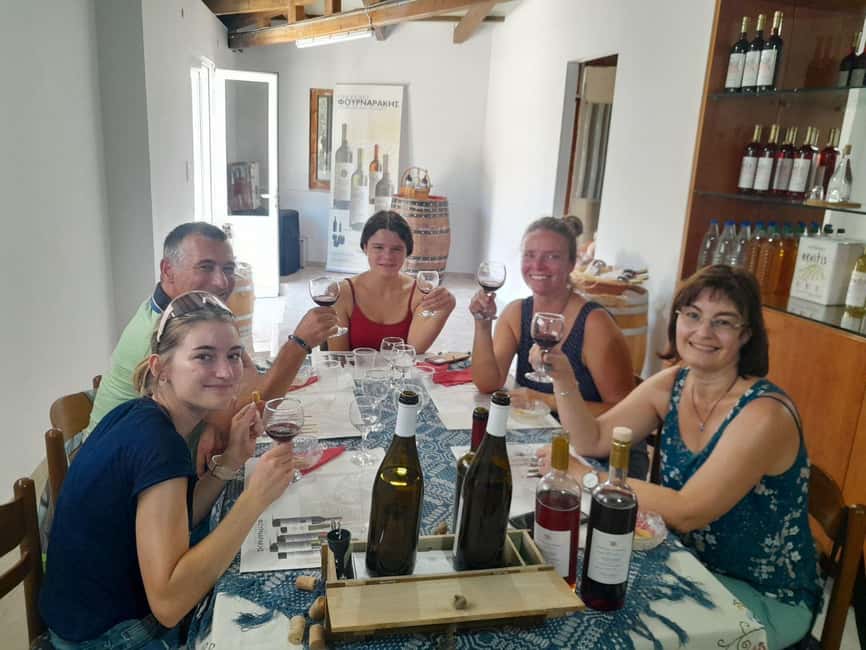
Crete reveals itself especially well through the people who make its everyday products. This tour links a family soap workshop, a traditional olive mill, and a winery with its own raki still, giving you a useful look at local work rather than a quick pass by the usual sights. I like the hands-on soap stop and the chance to compare several olive oils with bread, tomato, and oregano. I also like the small-group feel, with one recent group numbering nine people and praise for the driver’s humor.
The main thing to consider is the schedule. You spend much of the day walking, standing, tasting, and moving between rural businesses, so it is not a lazy sightseeing ride. The tour is also not wheelchair accessible, and lunch is not included. For cruise passengers, though, the advertised 150% back-on-time guarantee makes the timing promise a major part of the value.
Key points at a glance
- Three very different local producers: See soap made with olive oil and herbs, follow olives from grove to bottle, then taste Cretan wine and raki.
- A practical olive-oil lesson: Sample three or four oils and learn how to spot genuine extra virgin olive oil.
- A personal family-business angle: Each stop includes the people, methods, and stories behind the products.
- A cruise-friendly schedule: Pickup and drop-off are included, with a stated 150% back-on-time guarantee.
- Small-group potential: One reported group had nine people from several countries, a comfortable size for questions and conversation.
- Bring sun protection and spending money: Outdoor areas, product shops, and optional purchases make a hat, sunscreen, card, and cash useful.
Why this tour feels more Cretan than a standard tasting trip

At $104 per person, this is not simply a transfer into the countryside with a few free samples. You are paying for transportation, an English-speaking guide, entrance fees, three producer visits, and tastings of olive oil, wine, raki, and light snacks.
I see the value in the variety. Soap gives you a craft and wellness angle. Olive oil connects the countryside to one of Crete’s oldest and most important products. Wine and raki finish the day with food, family tradition, and a little fire in the glass.
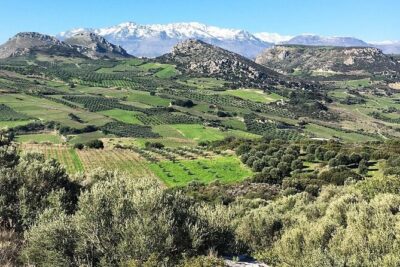
The route runs through valleys and villages, which matters as much as the tastings. You get to see a working side of Crete that is easy to miss if your trip stays near a resort or port. The focus is not on grand monuments. It is on family businesses, inherited methods, and the ordinary products that have shaped Cretan life for generations.
The time commitment is between 330 and 390 minutes, or roughly five and a half to six and a half hours. That makes this a substantial half-day outing. You should allow extra time around the tour if you have evening plans, even with the stated return guarantee.
More Raki and Ouzo Tastings in Heraklion:
- Crete: Olive Oil, Soap, Wine, Raki – Flavorful Culinary Journey
★ 5.0 · 119 reviews - Crete: Olive, Wine, & Raki on a Flavorful Culinary Journey
★ 4.7 · 56 reviews - Premium Cretan Olive Oil Tasting, Wine, Raki and Local Food Tour
★ 5.0 · 17 reviews
Soap, herbs, and the quiet art of making things by hand
The first stop runs from 10:00 to 11:15 at a countryside soap workshop. It is a gentle opening to the day, with a slower pace than the later tastings and a clear focus on process.
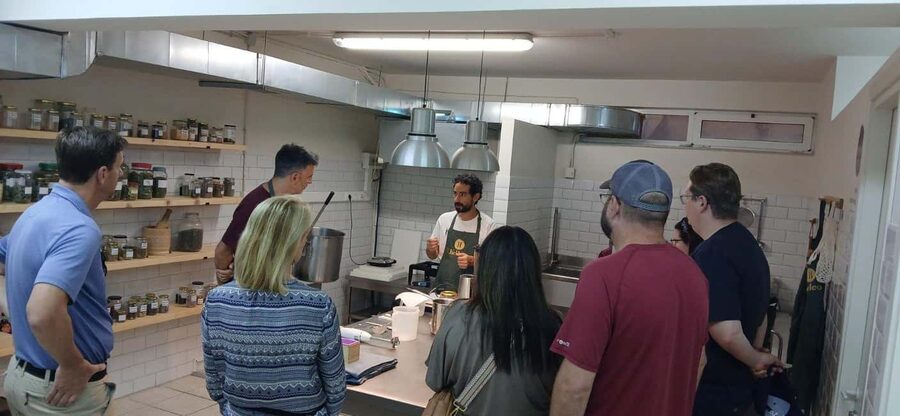
You learn about the cold-process method, in which olive oil and other natural ingredients become soap over time. The workshop uses ingredients associated with Crete, including laurel, rosemary, orange peel, and sage. You can expect a guided explanation, a demonstration, and plenty of opportunities to smell the ingredients.
If time allows, you may mix and mold a small creation yourself. That hands-on element is not guaranteed, but it gives the stop more purpose than simply browsing shelves. You can see how a product takes shape, then compare the finished bars with the raw materials used to make them.
I especially like this stop for shoppers who want useful souvenirs rather than decorative clutter. The soaps are easy to pack, tied to local ingredients, and connected to a family business. The owner also shares the family story, giving the products a human context.
The drawback is that this is partly a shopping stop. You have time to buy soap, but purchases are not included in the tour price. If you are determined not to shop, the workshop may feel longer than necessary. For most people, though, the demonstration and scent-based experience should keep it interesting.
Wear comfortable shoes even here. The tour includes moderate walking and standing across the day, and the outdoor parts of the route can be sunny.
Century-old olive trees and a useful oil lesson
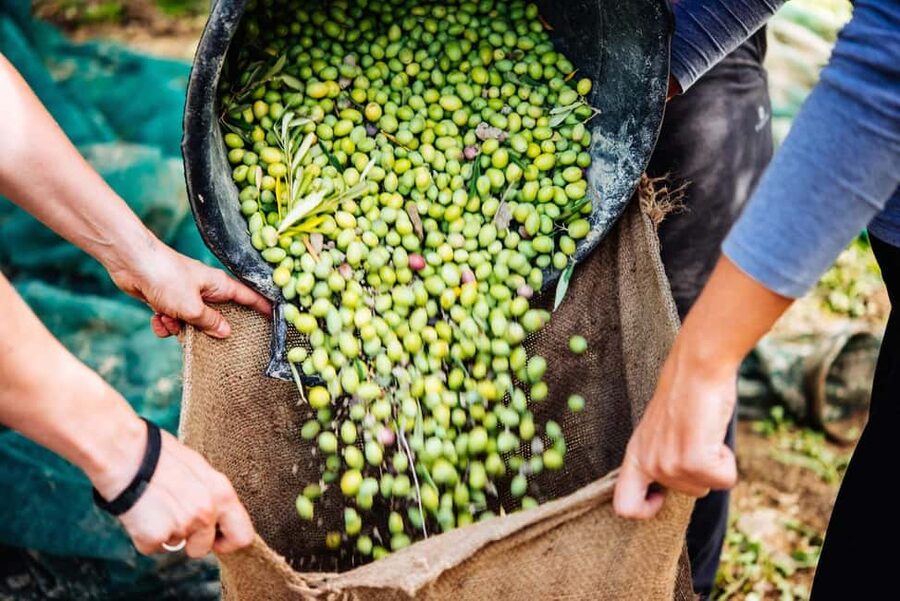
From 11:30 to 12:30, the tour moves to an olive grove and traditional mill. This is likely the most educational stop for anyone who cooks with olive oil or wants to stop buying bottles based only on attractive labels.
You begin with a relaxed walk among century-old olive trees. The walk is not described as strenuous, but it does put the mill’s work in context. You are looking at the trees that supply the fruit, not only the finished bottle on a tasting table.
Inside the mill, you see how olives become cold-pressed extra virgin olive oil. The visit covers the extraction process and the difference between traditional practice and modern equipment. The point is not just to taste oil, but to understand what you are tasting.
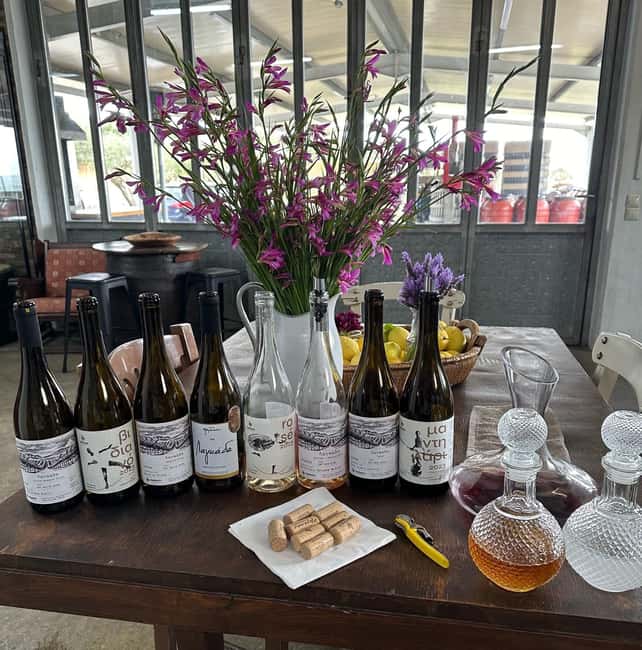
The sampling includes three or four olive oils, served with fresh bread, tomato, and oregano. That simple pairing is a good choice. Bread and tomato let you notice the oil’s bitterness, fruitiness, peppery finish, and texture without a complicated menu getting in the way.
You also receive guidance on health benefits and on how to recognize real extra virgin olive oil. I would pay close attention here, since this is the sort of information you can use long after the tour. A good tasting can turn a familiar pantry staple into a product you know how to judge.
The family-business story adds another layer. The owner explains how the business has passed from one generation to the next, connecting the machinery and tasting to a living local enterprise. You are not just seeing an agricultural product. You are seeing how an olive-growing family has built work around it.
This stop may be less exciting if you already know a great deal about olive cultivation or have visited several mills. Even then, tasting several oils side by side is useful. The route also gives you a chance to buy a bottle, although that cost is separate.
Wine, raki, and the final taste of the countryside
The final stop takes place from 13:00 to 14:15 at a small family-run winery and raki distillery. The setting brings together vineyard work, cellar production, and one of Crete’s best-known spirits.
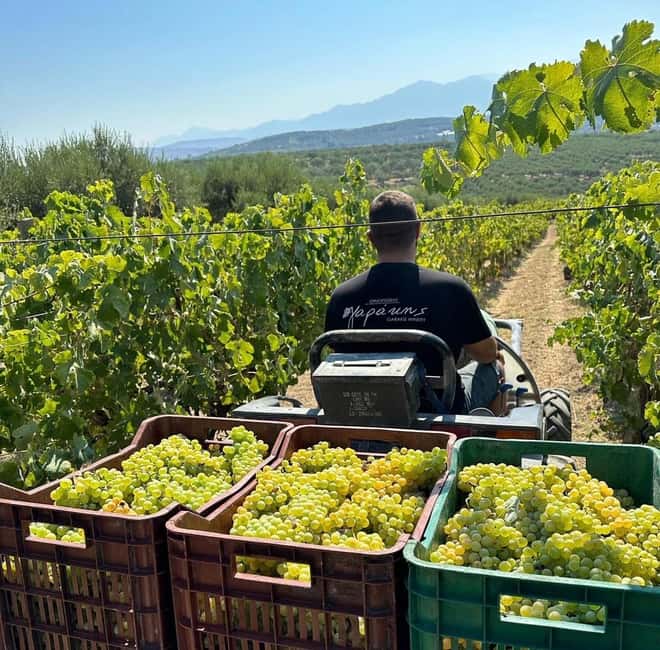
You walk through the vineyard, look inside the cellar, and see the traditional raki still. The producer explains the family’s approach to winemaking and how wine and raki fit into the business. The focus is on craftsmanship and continuity, not on a polished commercial tasting room.
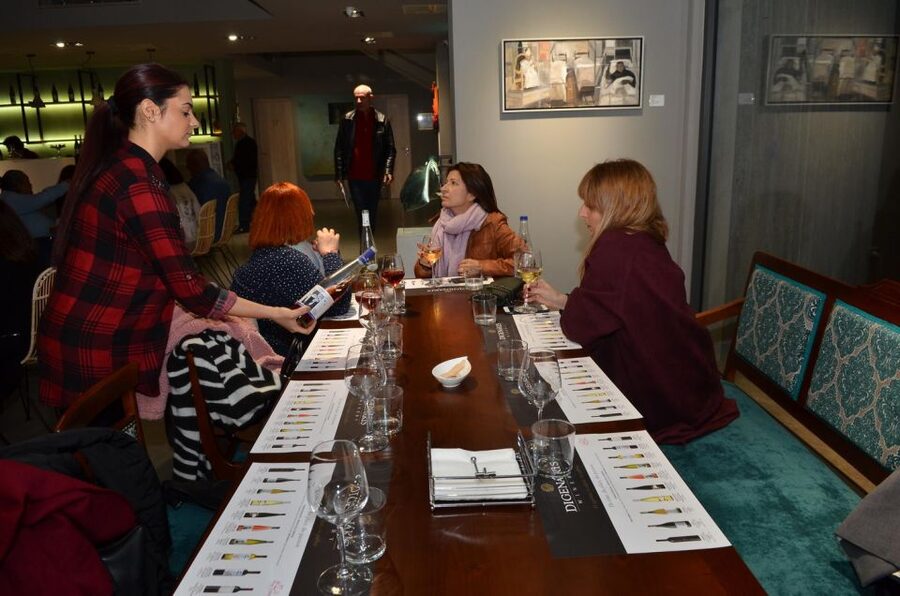
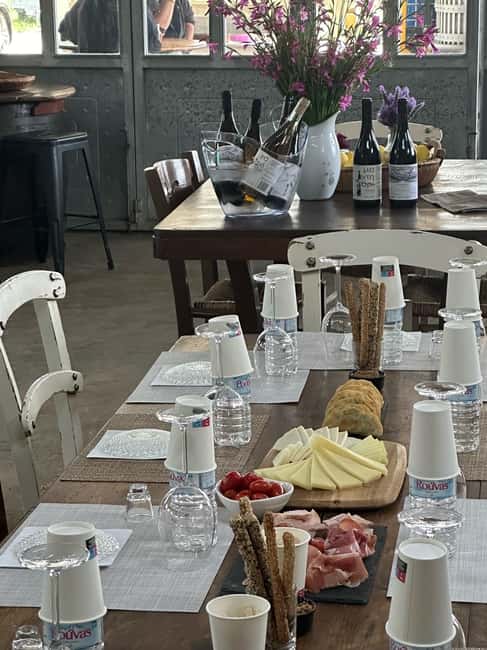
The wine tasting usually includes two or three wines, often made with indigenous Cretan grape varieties. Since the exact wines can vary, you should expect a local selection rather than a fixed international lineup. You then taste tsikoudia, the Cretan name for raki, which has a stronger and more direct character than the wines.
There are five or six alcoholic samples in total, along with olives, cheese, paximadi, and figs. Paximadi is a dry Cretan rusk, and it works well with both wine and stronger spirits. These snacks are light, not a replacement for lunch, so plan to eat beforehand or arrange food afterward.
I like the way this stop closes the route. Soap shows a finished craft, olive oil shows the connection between tree and bottle, and the winery brings together agriculture, hospitality, and celebration. You get a final chance to ask questions and compare the family’s older methods with current production.
You should also pace yourself. The tour includes several tastings over the day, and raki is not shy about making its presence known. Anyone who does not drink alcohol can still enjoy the vineyard, cellar, still, snacks, and explanations, but the main tasting value is aimed at adults who want to sample local drinks.
The activity specifies that participants must be at least 18 for the tastings. Vegetarian options are available if requested in advance.
More Olive Oil Soap Workshops in Heraklion:
- Afternoon: Tour Soap, Olive Oil, Wine Stories of Peza Valley
★ 5.0 · 2 reviews - Private Tour: Soap, Olive Oil & Lyrarakis Winery with Lunch
★ 4.5 · 15 reviews - Soap and Olive Oil Experience
★ 5.0 · 8 reviews - Soap Workshop, Olive Oil, Lyrarakis Winery and Lunch at Peza
★ 4.1 · 7 reviews
The ride, group size, and cruise timing
Pickup and drop-off are included from designated locations. You travel in an air-conditioned vehicle with an experienced driver, and the team contacts you the day before with the pickup time, driver’s name, vehicle color, vehicle type, and license plate.
That advance message is useful, especially if you are staying in a large hotel area or joining from a cruise port. Keep your phone available and check those details carefully. The exact start time depends on availability, so confirm it before booking around other plans.
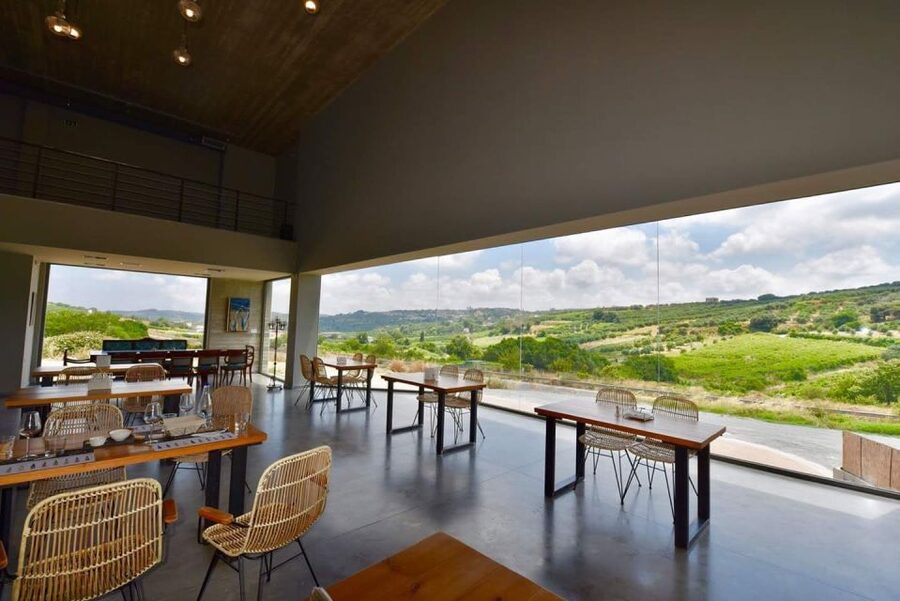
The route takes you through valleys and villages rather than keeping you in one town. The countryside views are part of the experience, but remember that the tour is organized around producer visits. You are not getting long scenic stops or a dedicated photo excursion.
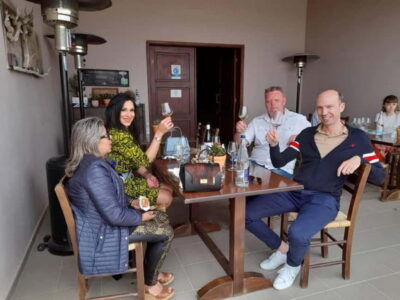
Group size can affect the feel of the day. A reported group of nine people allowed enough room for conversation without making the visits unwieldy. A smaller group also makes it easier to ask about ingredients, production methods, and family history.
For cruise passengers, the advertised 150% back-on-time guarantee is a strong selling point. The tour is specifically suited to people who need to return on schedule, but you should still give the operator correct ship and pickup information. No excursion can erase the need for basic time planning.
What the $104 price really covers
At $104, the price is reasonable if you want a full day of tastings and transport without arranging several rural visits yourself. The included items cover the parts that can quickly add up:
- Pickup and drop-off from designated locations
- Air-conditioned transportation
- An English-speaking guide
- Entrance fees and guided visits
- Olive-oil, wine, and raki tastings
- Light snacks at the winery
The price does not include lunch, extra drinks, or anything you purchase at the workshops and producer shops. This distinction matters. The included snacks can take the edge off your appetite, but you should not treat them as a full meal.
I would bring a credit card and some cash. The tour includes several places where you may want to buy soap, olive oil, wine, or other local products. There is no pressure stated in the schedule, but having a payment method ready gives you flexibility.
Compared with booking transportation, separate admissions, and tastings on your own, the package offers convenience. Its value is strongest for cruise passengers, first-time visitors to Crete, and anyone who wants an organized route through several family businesses.
Who should book, and who should think twice
I would choose this tour if you want to meet local producers, taste regional products, and see countryside villages without renting a car. It is especially well suited to couples, friends, and small groups who enjoy food and drink but also want the story behind what they consume.
It is a good fit for cruise passengers because of the pickup service and return-time promise. It also suits shoppers looking for practical souvenirs, since soap, olive oil, wine, and raki are all linked to the places you visit.
You should think twice if you want a major archaeological site, a long lunch, or a day with very little walking. The schedule moves through three businesses, and each includes standing, listening, tasting, and sometimes outdoor walking. The tour is not wheelchair accessible because of the layouts at the businesses.
Wear comfortable clothes and shoes. Bring sunglasses, a hat, sunscreen, and a camera. The countryside portions are exposed to the sun, while the tastings and shop visits give you plenty to photograph and remember.
FAQ
How long does the tour last?
The tour lasts between 330 and 390 minutes, or about five and a half to six and a half hours. Starting times vary, so check availability when booking.
What is included in the price?
Pickup and drop-off from designated locations, air-conditioned transportation, an English-speaking guide, entrance fees, guided visits, olive-oil tastings, wine and raki tastings, and light snacks are included.
Is lunch included?
No. Lunch is not included. The winery stop provides light snacks such as olives, cheese, paximadi, and figs.
What alcoholic drinks will be served?
You can expect tastings of three or four olive oils, two or three wines, and raki, with five or six wine and raki samples in total. The exact wine selection may vary.
Is the tour suitable for cruise passengers?
Yes. The tour is designed to suit cruise passengers and includes a stated 150% back-on-time guarantee. Pickup and drop-off are included from designated locations.
Is the tour wheelchair accessible?
No. The tour is not wheelchair accessible because of the layouts at the businesses visited. The experience also includes moderate walking and standing.
Can children join the tour?
Participants must be at least 18 years old for the tastings. Infant seats are available upon request for transportation. The provided information does not specify a general minimum age for children who would not take part in the tastings.
Should you book this Cretan producer tour?
Book it if you want a practical, people-centered introduction to Crete. The strongest reasons are the mix of three very different producers, the chance to compare olive oils properly, the family stories, and the cruise-friendly timing.
I would not book it for a full meal, a major sightseeing landmark, or a quiet ride with few stops. But if your ideal day includes countryside roads, soap scented with local herbs, bread dipped in olive oil, Cretan wine, and a small glass of raki, $104 buys a well-filled half-day with useful inclusions and a clear local focus.
More Olive Oil and Wine Tours in Heraklion
- Private Tour-Knossos Palace Zeus Cave Olive Oil Mill & Wine
★ 5.0 · 135 reviews - Semi Private Wine, Olive Oil, and Terroir Tour of Heraklion area with Tastings
★ 5.0 · 39 reviews - Semi Private Wine and Olive Oil tour (Transfer & Lunch Incl.)
★ 4.5 · 39 reviews - The valley of Zeus (Olive oil, wine tasting)-Knossos palace tour
★ 4.5 · 27 reviews
Just added around Heraklion
- Private-Knossos Palace-Zeus -Villages-Olive Oil Factory★ 5.0 · 7 reviews
- Knossos Palace &/or Zeus Cave + Olive Mill | Local & Private★ 5.0 · 4 reviews
- Heraklion: Olive oil and Wine Tour with Lunch★ 5.0 · 3 reviews
- Heraklion: Cretan Farmers Brunch and Olive Grove Tour★ 4.8 · 7 reviews
- Afternoon: Tour Soap, Olive Oil, Wine Stories of Peza Valley★ 5.0 · 2 reviews
- Wine Raki Olive Oil Tasting and Pottery – Private Tour★ 5.0 · 13 reviews
- Private Tour-Knossos Palace Zeus Cave&Olive Oil Mill from Elounda★ 5.0 · 14 reviews
- Heraklion Private Olive Oil and Wine Gastronomy tour with Lunch★ 5.0 · 14 reviews
Olive Oil Soap Workshops, compared.
Olive Oil, Soap, Wine, Raki – Flavorful Culinary Journey
Read our review →
Private Tour: Soap, Olive Oil & Lyrarakis Winery with Lunch
Read our review →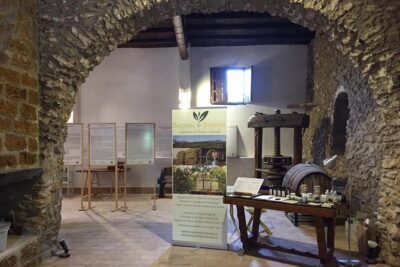
Soap Workshop, Olive Oil, Lyrarakis Winery and Lunch at Peza
Read our review →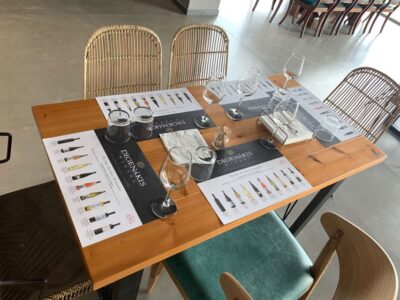
Afternoon: Tour Soap, Olive Oil, Wine Stories of Peza Valley
Read our review →Browse the lists this tour appears in