
REVIEW · ATHENS
Orange & Natural Wines Of Greece with Cheese & Olive Oils
Greek wine is having a serious moment, and this one-hour tasting gives you a quick, focused way to understand why. You’ll try six organic, biodynamic, natural, or orange wines with cheese, small nibbles, and extra virgin olive oils, guided in English by Anton, a passionate wine professional.
I like the tasting’s unusual bottle selection, including limited wines produced in runs as small as 200 bottles. I also like the practical food pairings and olive-oil tasting, since you leave with ideas you can use at home. The main drawback is the short format: one hour goes quickly if you want a long discussion about every wine.
Key points to know before booking
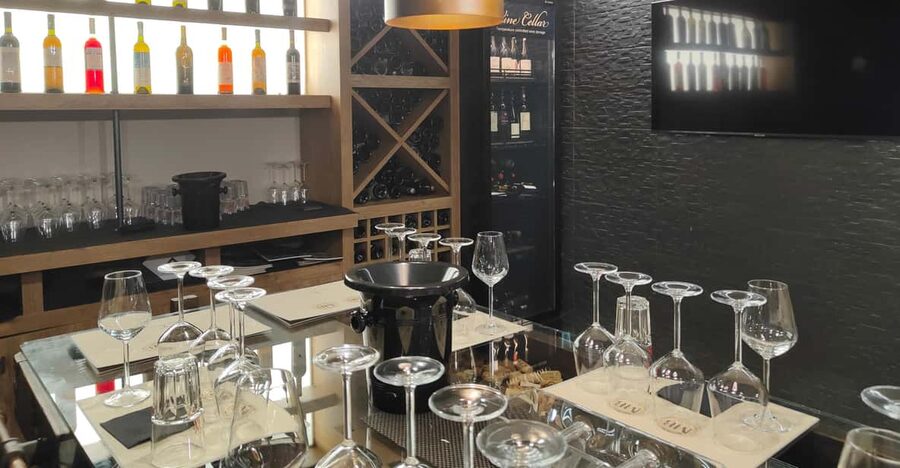
- Six Greek wines in one hour: The tasting moves through organic, biodynamic, natural, and orange styles.
- Anton leads in English: He explains grape varieties, winemaking, and food pairings in an accessible way.
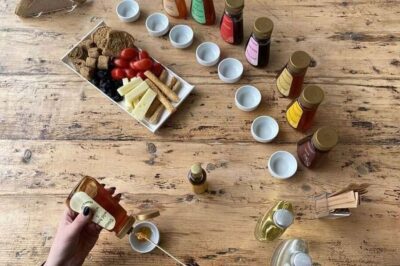
- Food is part of the lesson: Cheese, herbs, spices, condiments, ancient nibbles, grape must, and olive oils help show how flavors work together.
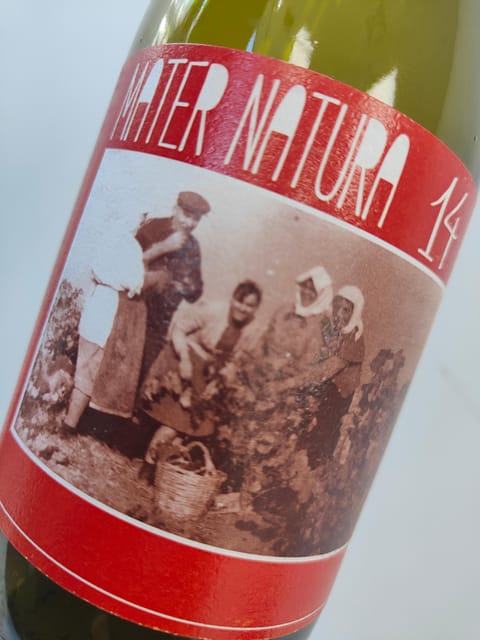
- Rare small-batch bottles: Some wines are made in quantities as low as 200 bottles and may be available to buy or ship from the store.
- A useful introduction to Greek wine: You’ll hear about more than 340 ancient indigenous varieties, dry winds, hot days, and old and new winemaking methods.
- Adults only: The experience is for people aged 18 to 95, with free cancellation up to 24 hours before the start.
Why Greek natural wine deserves an hour of your time
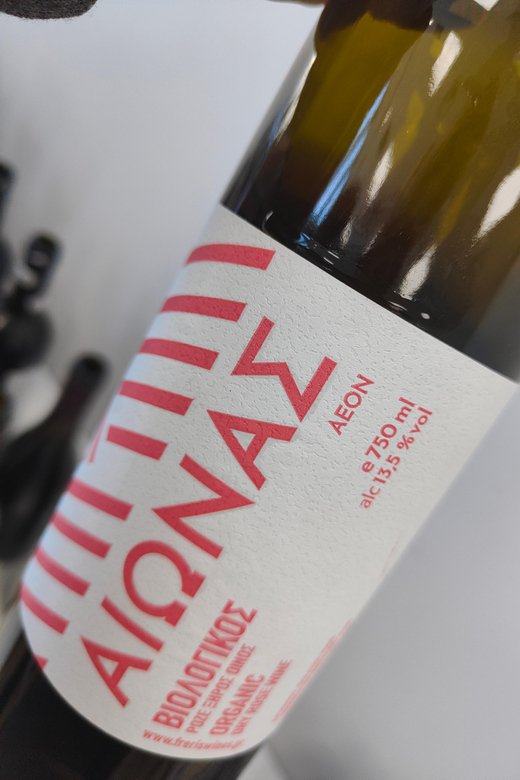
Greek wine can be easy to overlook if your knowledge begins and ends with the country’s famous islands. This tasting gives you a better starting point. Instead of focusing only on familiar international grapes, it introduces the local varieties and methods that make Greek bottles different.
The selection covers organic, biodynamic, natural, and orange wines. These terms are related, but they do not all mean the same thing. Organic refers to farming practices. Biodynamic farming follows a more specific agricultural approach. Natural wine usually points toward low-intervention winemaking, while orange wine refers to a style made with white grapes using extended contact with their skins.
You do not need to know these distinctions before arriving. Anton explains the ideas as you taste, which is more useful than reading a list of definitions before the first glass. The wines give the terms a purpose. You can compare their color, texture, aroma, and weight instead of treating them as abstract labels.
The Greek setting matters, too. The experience connects modern wine production with the country’s long winemaking tradition. Greek producers work with more than 340 indigenous ancient grape varieties, along with dry winds and hot days that can help shape the fruit. The point is not that every Greek wine tastes alike. It is that Greece has a wide pool of local grapes and a climate suited to distinctive bottles.
More Olive Oil and Wine Tours in Greece:
- From Chania: Olive Oil, Wine, Cheese & Honey Tasting Tour
★ 4.6 · 490 reviews - From Chania: Wine and Olive Oil Tasting Tour with Snacks
★ 4.8 · 354 reviews - Athens: Acropolis Wine Tasting with Cheese and Olives
★ 4.9 · 337 reviews
Six glasses, not six versions of the same wine
The central part of the experience is a tasting of six wines. The exact lineup can change, so you should think of it as a guided sample of Greek natural and orange wine rather than a fixed flight you can memorize in advance.
That flexibility is a strength. Small producers often work with limited quantities, and some bottles in the shop are made in runs of only 200 bottles. The selection can introduce you to wines that are not widely distributed outside Greece.
You may taste wines made in clay amphorae, stainless steel, cement, or oak, with some receiving a long period of bottle aging. These choices affect the final drink. Amphorae connect the bottle to an old Greek method. Stainless steel can preserve a clean expression of the fruit. Cement and oak bring other textures and influences.
You are not simply sampling six drinks and waiting for the next one. The useful part is the explanation of why each wine was made in a particular way. If you enjoy wine but often find tastings too technical, Anton’s strength is making the subject approachable. One recent tasting guest specifically praised his clear English and his ability to explain flavor and winemaking without making the discussion hard to follow.
The orange wine may be the most memorable pour for many people. It offers a different experience from a standard white wine, both visually and in texture. It is also a good conversation starter because the style is still unfamiliar to many drinkers.
The food pairings make the tasting practical
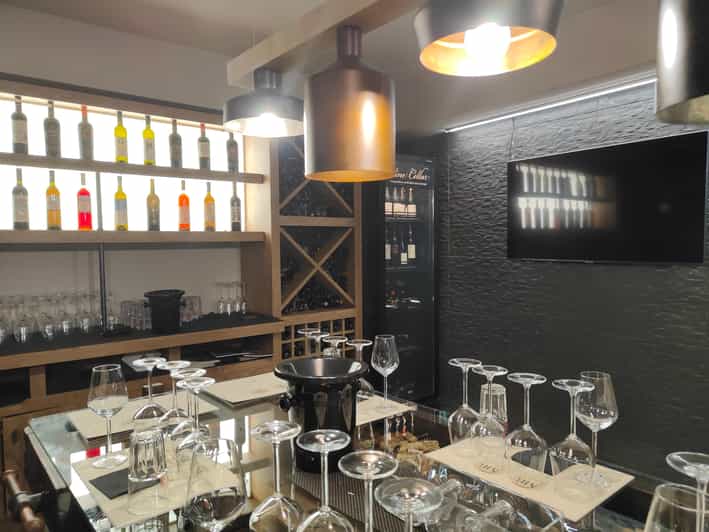
The small bites are not just something to nibble between sips. They help you see how pairing works.
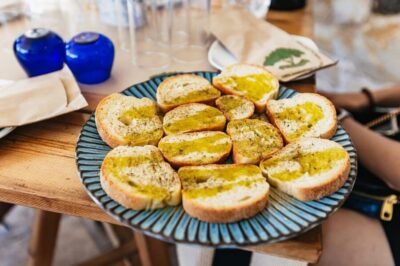
You’ll try cheese, herbs, spices, condiments, ancient-style nibbles, extra virgin olive oil, and concentrated grape must. The combination gives the tasting several flavor directions without turning it into a full meal. You can see how a wine changes when paired with something salty, rich, herbal, sweet, or strongly seasoned.
A useful rule introduced during the experience is powerful with powerful, complex with complex. That is a simple idea, but it gives you a practical way to think about future meals. A delicate wine can be overwhelmed by a heavy, strongly flavored dish. A fuller or more complex wine may need food with enough character to match it.
I especially like that the pairing lesson includes ingredients you can use at home. You may not be able to find every small-production Greek bottle again, but you can apply the basic ideas to cheese, olive oil, herbs, and condiments from your own market.
The nibbles also keep the hour from feeling like a technical lecture. You have something to taste between wines, and the food gives Anton a natural way to explain balance and contrast.
Extra virgin olive oil gets its own moment
Many wine tastings treat olive oil as a background ingredient. Here it is part of the subject.
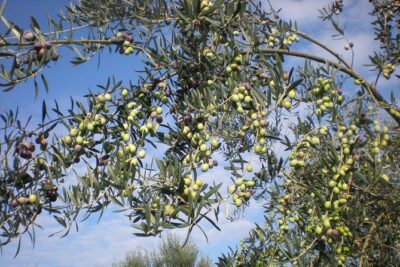
You’ll learn about the hidden details of extra virgin olive oil and taste it alongside the wines and food. That matters in Greece, where olive oil is a major part of daily cooking and local food culture. The tasting helps you pay attention to its flavor rather than using it only as a cooking fat.
The olive oil also changes the shape of the experience. This is not a wine-only session aimed at collectors. It is closer to a compact lesson in Greek table culture, with wine, cheese, condiments, grape must, and oil sharing the same table.
You should not expect a long standalone olive-oil seminar. The experience lasts one hour and centers on six wines. Still, the inclusion is valuable because it gives you another way to judge quality and another souvenir idea if you want something useful rather than decorative.
More Cheese Tastings in Greece:
- Farm Tour with Cheese-Making, Olive Oil Tasting & Picnic
★ 5.0 · 8 reviews - DISCOVER SORRENTO, food &Walking tour . Lemons-cheese&olive oil
★ 4.5 · 34 reviews - Full-Day Chocolate, Cheese, Olive and Wine Tour from Stellenbosch
★ 5.0 · 13 reviews - Olive Oil, Cheese, and Wine Tasting with Local Expert
★ 5.0 · 12 reviews
Anton’s teaching style is part of the value
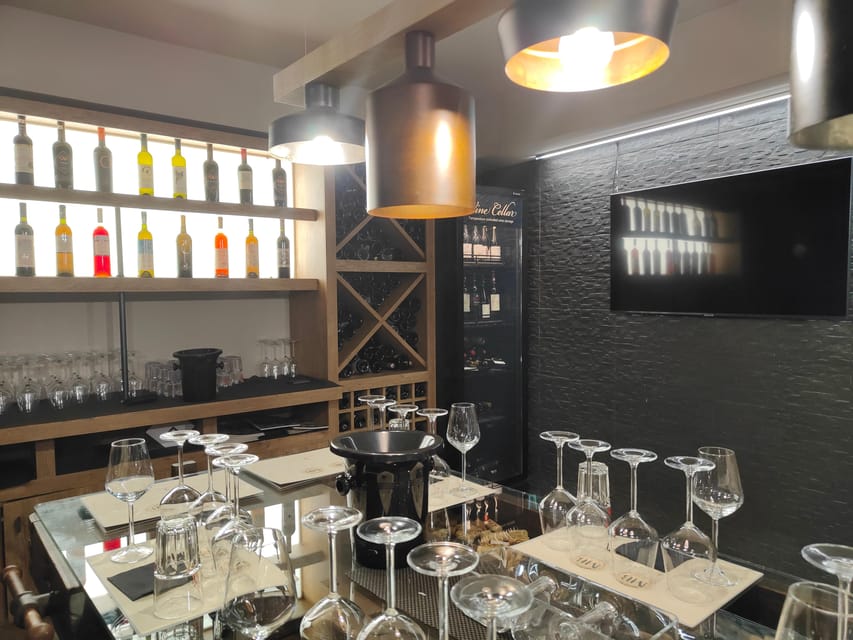
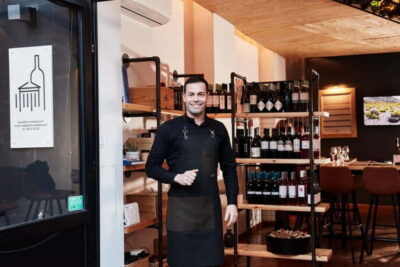
Anton is the named host associated with the tasting, and the strongest praise centers on his warmth, humor, English, and ability to make complicated subjects easy to discuss. That matters in a short tasting. A rigid presentation could leave you with six glasses and a handful of disconnected facts. A personal guide can adjust the conversation to your questions and interests.
The format can also work well if you want recommendations for the rest of your Greek trip. Anton has suggested other wineries to people continuing their journeys, so you can ask for ideas if you plan to visit more producers. The information provided does not promise a winery tour or a customized route, but the tasting can help you identify which styles and regions you want to explore next.
The experience is especially useful for someone who has already tried standard wine tastings and wants something less predictable. One person who favored orange wine found the selection genuinely new, rather than a repeat of familiar international styles.
You should still set realistic expectations. This is not an advanced certification class, a vineyard visit, or a multi-hour food tour. It is a concentrated introduction led by someone who knows the subject and enjoys explaining it.
Why the one-hour length works, and where it falls short
An hour is convenient. You can fit the tasting into a sightseeing day without giving up half your afternoon. It works well before dinner, after a morning of exploring, or as a short cultural stop when you want something more focused than another landmark.
The pace will be brisk. Six wines, food pairings, olive oil, history, and winemaking methods leave little room for long pauses. If you like to linger over each glass, take notes, and ask detailed questions about every grape, you may want more time than the standard format provides.
That short length is also why the tasting benefits from preparation. Think about what you want to learn before you arrive. You might ask about orange wine, amphora aging, natural winemaking, or how Greek grape varieties differ from grapes you already know. A few focused questions will help you get more from the hour.
The experience is conducted in English. The available information identifies English as the language and Anton’s English as superb, so it should suit English-speaking visitors who want clear explanations.
What the $41 price includes
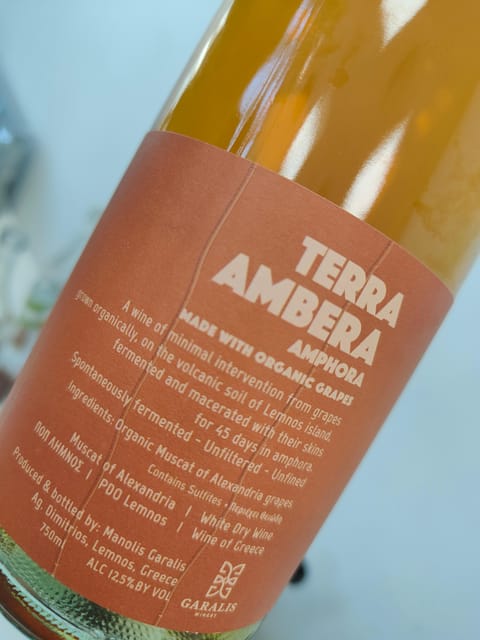
At $41 per person, the price is reasonable if you value both the six pours and the instruction. You are not paying only for wine volume. The fee includes six wines, nibbles, information about Greek wine history, and an explanation of organic and natural winemaking.
The price makes more sense when you consider the bottle selection. Some wines are limited to a few hundred bottles and may be difficult to encounter casually. A professional tasting lets you try before buying, which can save you from spending more on an unfamiliar bottle you may not enjoy.
The value is strongest for three types of people:
- You are curious about natural or orange wine and want a guided introduction.
- You want to understand Greek wine beyond the usual tourist labels.
- You enjoy food pairing and want ideas you can repeat at home.
The value is weaker if you are looking for a full meal, a winery visit, or a long regional tour. The tasting offers samples and learning, not transportation, vineyard scenery, or a substantial lunch.
Some limited bottles are available exclusively through the store and can be bought or shipped. Shipping details are not provided, so ask about cost, destinations, and timing before committing to a purchase.
Who should book this tasting
I would recommend it to wine-curious adults, people interested in Greek food culture, and anyone who wants a compact activity with real conversation. It suits a couple, a small group of friends, or a solo visitor who enjoys asking questions.
It is also a smart choice if you plan to visit more wineries in Greece. The tasting can help you discover which wine styles appeal to you before you spend time and money arranging more visits.
You do not need formal wine training. Anton’s teaching style is described as accessible, and the tasting is designed to explain the basics while you sample. A beginner can follow it, while someone with more experience may enjoy the unusual grapes and small-production bottles.
This is not suitable for children under 18. The stated upper age limit is 95, so people older than that should not book this activity.
A sensible place to buy Greek wine
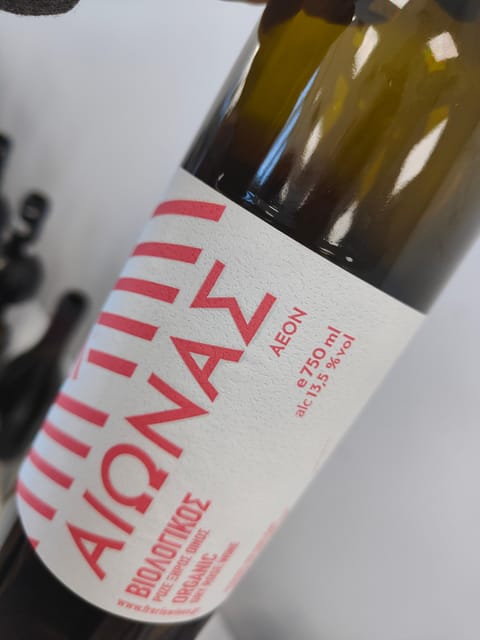
The tasting may lead you to a bottle you want to take home. That is one of the more useful features of the experience because some selections are limited and sold through the shop.
Still, buy with a plan. Ask which bottles travel well, how they should be stored, and whether shipping is available to your destination. Since some wines are produced in tiny quantities, you may not be able to replace a favorite bottle later.
You can also use the tasting to avoid buying based only on an attractive label. Pay attention to the grape variety, the winemaking vessel, the acidity, the texture, and the way the wine works with food. Those details will help you make a better choice than simply choosing the bottle you liked best after one sip.
Booking details worth knowing
The listed duration is one hour, and starting times depend on availability. You can reserve now and pay later, which helps if your schedule is still shifting.
Free cancellation is available up to 24 hours before the experience for a full refund. That gives you some flexibility, but you should still check the exact start time before booking, especially if you plan to connect it with dinner or another timed activity.
The experience takes place in Central Greece. No transportation details are provided, so you should confirm the meeting point and allow enough time to reach it.
The overall rating is 5 out of 5 from seven verified bookings, with praise focused on Anton’s clear explanations, warm manner, Greek wine stories, unusual selection, and pairing advice. Those are the parts I would weigh most heavily when deciding if this tasting fits your plans.
Should you book it?
Book this tasting if you want a focused, adult-only introduction to Greek natural and orange wine rather than a full winery excursion. The combination of six wines, small food pairings, olive oil, and practical instruction gives you plenty to think about in one hour.
Skip it if you want a large meal, a vineyard setting, or a slow afternoon built around one estate. For everyone else, the $41 price is fair, especially if you are curious about uncommon Greek grapes and small-batch bottles. Arrive ready to ask questions, keep an open mind about orange wine, and treat the tasting as a starting point for the rest of your Greek food and wine exploration.
FAQ
Where does the wine tasting take place?
The experience takes place in Central Greece, Greece.
How long does the tasting last?
The tasting lasts one hour.
How many wines are included?
Six wines are included. The selection focuses on organic, biodynamic, natural, and orange wines.
What food and drink accompaniments are included?
The tasting includes nibbles, cheese, extra virgin olive oils, herbs, spices, condiments, and concentrated grape must.
Is the tasting conducted in English?
Yes. English is the stated language for the experience.
Who leads the tasting?
Anton leads the tasting as the professional wine host associated with CRU BEE-HAVING Wine & Olive Oil Tastings.
Is the activity suitable for children?
No. The tasting is not suitable for children under 18.
Can I cancel or pay later?
You can reserve and pay later. Free cancellation is available up to 24 hours in advance for a full refund.
Just added around Greece
- Soap, Wine, Raki, Olive Oil, Meet the local Producers Tour★ 5.0 · 4 reviews
- Spinalonga,Elounda,Ag.Nikolaos, Olive Factory From Heraklion★ 3.1 · 6 reviews
- Chania Sourdough Bread Class – Olive Oil Tasting★ 5.0 · 6 reviews
- Safari:Lasithi plateau, Mythology park,olive oil tasting★ 5.0 · 4 reviews
- Private Tour, Olive Mill, Scotino Cave, Lasithi Plateau H/D★ 5.0 · 3 reviews
- Private Olive Oil Tour & Tasting with Lunch from Katakolo★ 4.6 · 5 reviews
- Private-Knossos Palace-Zeus -Villages-Olive Oil Factory★ 5.0 · 7 reviews
- Kalamata, Greece: Organic Olive Grove Tour-Olive oil tasting★ 5.0 · 10 reviews
Olive Oil & Wine Tours, compared.
Sorrento Farm and Food Experience including Olive Oil, Limoncello, Wine tasting
Read our review →
Lemon, Olive Oil and Wine Tasting Tour with Lunch
Read our review →

Browse the lists this tour appears in