
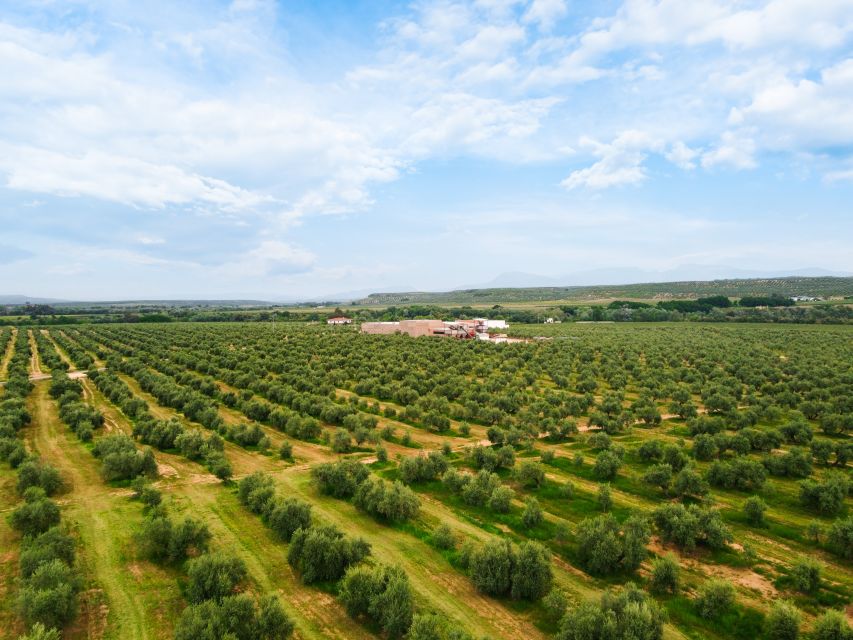
REVIEW · SPAIN
Jaen: Olive oil tour with the 5 senses, grove and tasing
The most interesting part of this Aires de Jaén tour is the chance to compare three olive-growing methods on one estate. You see traditional, intensive, and super high-density plantations before following the olives into the mill and tasting the finished oil. I like that the visit connects farming, production, and flavor instead of treating olive oil as just a souvenir.
I also like the hands-on sensory tasting, led with help from the estate laboratory team, and the sensible two-hour length. The main consideration is the rural meeting point at the estate in Jabalquinto, so you need to plan your own way there. A previous visitor also found clearer directions to the office complex would have helped.
Key points at a glance
- Three olive-growing systems: Compare traditional, intensive, and super high-density cultivation on the Finca Badenes estate.
- A real oil mill visit: See how mechanical extraction produces extra virgin olive oil.
- Sensory tasting with professionals: Learn to assess aroma and flavor with the Aires de Jaén laboratory team.
- Tapas included: The tasting comes with small bites, while lunch is not included.
- English and Spanish tours: You can choose a live guide in either language.
- Good value at $23: The price covers the estate tour, guide, tasting, and tapas over about two hours.
Three olive groves, three ways to grow olives
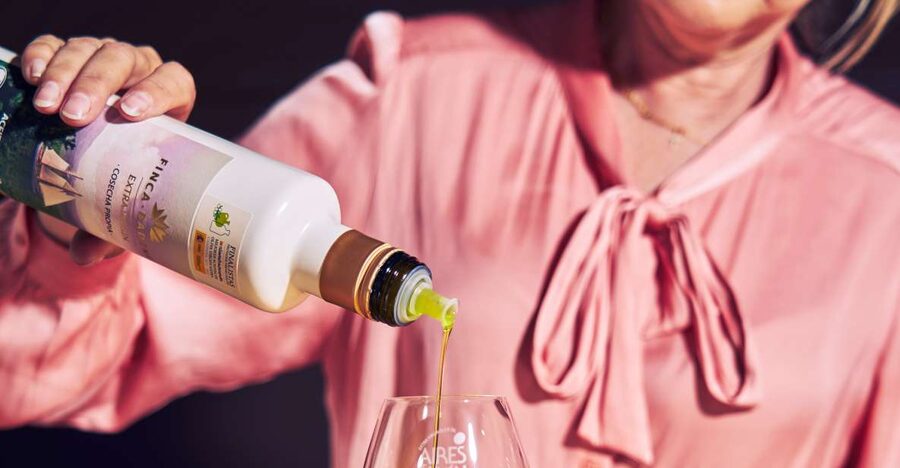
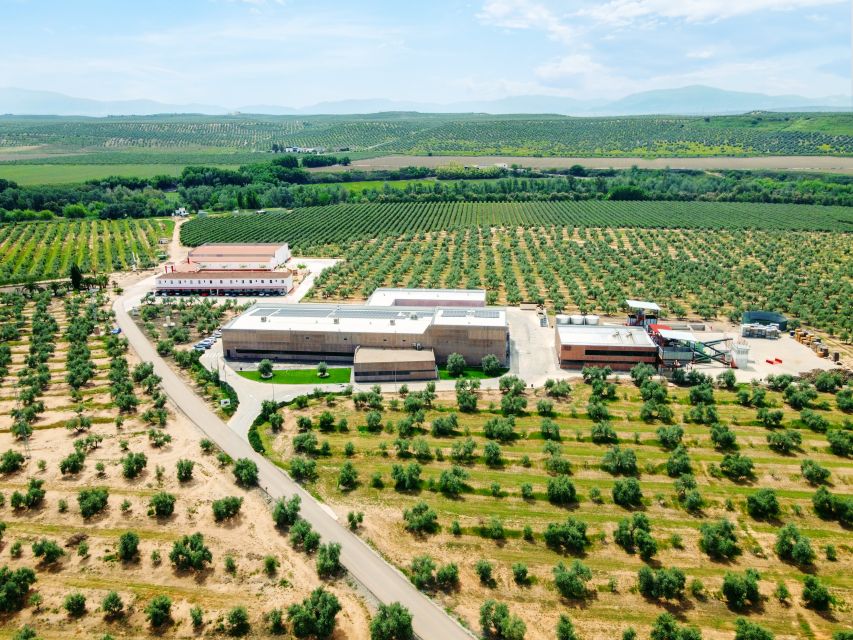
The tour begins at Finca Badenes, part of the Aires de Jaén estate near Jabalquinto in Andalusia. Instead of only looking at rows of trees, you compare three different systems of cultivation. That makes the outdoor portion useful even if you know little about farming.
The first system is traditional olive growing. This method generally gives trees more space and a less tightly packed appearance. Here, the point is not simply to admire old trees. Your guide explains how spacing and tree shape affect cultivation, harvest work, and the way the farm uses its land.
Next comes intensive cultivation. The trees are planted more closely, allowing the estate to produce more olives in a smaller area. You begin to see that olive farming is a practical balance between yield, labor, machinery, water, and long-term care.
The third system is super high density. The name tells you what to expect: trees are arranged in much tighter rows, with farming designed for a more organized and mechanized process. Seeing all three systems side by side helps you understand a subject that can sound abstract in a classroom or museum.
I like this part because it gives the tour a clear purpose. You are not simply walking through an attractive grove. You are looking for differences in planting patterns and learning why an estate might use more than one method. The lesson also gives you a better way to judge olive oil production when you visit other parts of Spain.
A few more olive oil tours around Spain worth a look
- Ronda: LA Almazara LA Organic, Olive Oil Museum and Tasting
★ 4.6 · 435 reviews - Guided tour and olive oil tasting in Alhaurin el Grande (Málaga)
★ 5.0 · 200 reviews - Guided Tasting Tour in 16th century House and Olive Oil Factory
★ 5.0 · 169 reviews
What the olive trees tell you about the oil
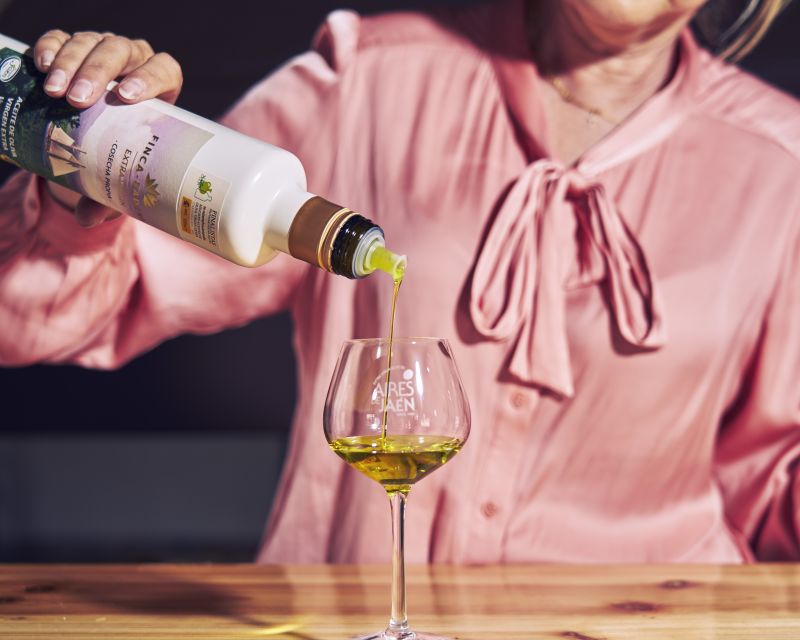
Olive varieties and farming methods are linked, but they are not the same thing. During the grove walk, you learn about different olives and the uses of their oils. That matters because extra virgin olive oil is not one uniform product.
Some oils may work better as a finishing ingredient, where you notice aroma and peppery flavor. Others may be more practical for cooking or for pairing with food. The tour introduces these differences without requiring you to arrive with specialist knowledge.
The grove is also where the production process starts to make sense. The condition of the fruit, the timing of harvest, and the handling of olives all influence the final oil. The tour information does not promise a particular harvest-season activity, so you should think of this as an educational estate walk rather than a pick-your-own experience.
Wear comfortable clothes and shoes. Sunglasses, a hat, and water are useful because the outdoor portion takes place among the plantations and the Andalusian sun can be strong. The instructions specifically call for comfortable footwear and clothing, so leave the dress shoes in your suitcase.
Inside the mill: from fruit to extra virgin oil
After the groves, you move to the oil mill. This changes the pace from outdoor observation to a look at the equipment and mechanical process used to obtain extra virgin olive oil.
The important word here is mechanical. The tour explains how the oil is extracted without turning the visit into a vague farm story. You learn how olives move from the harvest stage toward the finished product and why the mill is central to quality control.
The mill visit is especially helpful if you normally buy olive oil by reading only the front label. You begin to connect the words extra virgin with a production method and with careful handling of the fruit. The guide also explains the different uses of the oils, so the visit has a practical result: you can make more informed choices at a shop or market later.
Do not expect a long industrial tour with every production detail listed in advance. The experience lasts about two hours, and the estate visit, grove walk, mill explanation, and tasting all share that time. Its strength is the clear sequence rather than an exhaustive technical lecture.
Learning to taste oil with all five senses
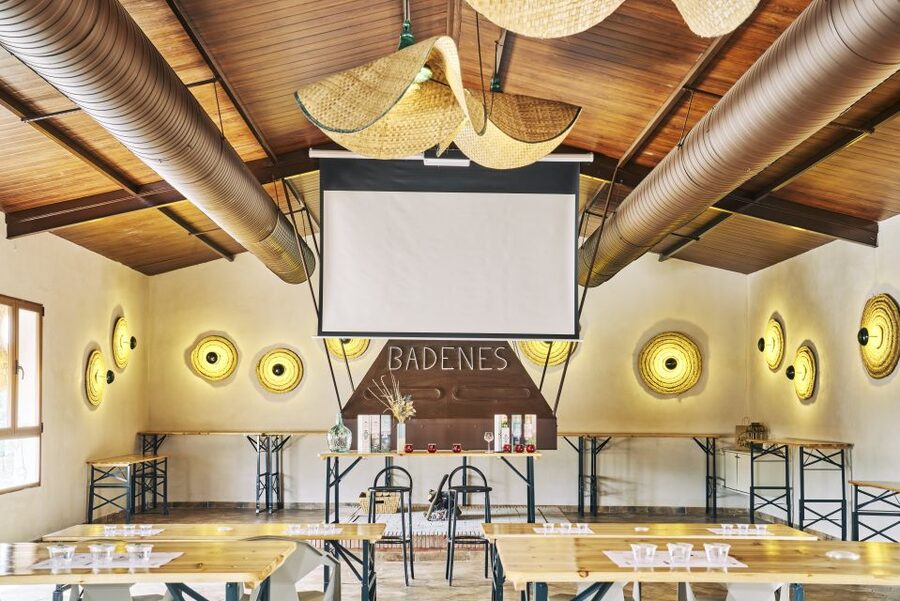
The final part is the tasting, and this is where the title’s reference to the five senses becomes most useful. You join professionals from the Aires de Jaén laboratory and learn how to conduct an organoleptic, or sensory, tasting.
You are guided to pay attention to more than taste alone. Aroma, mouthfeel, and other sensory impressions help you identify differences between oils. The goal is not to turn you into a laboratory expert in one sitting. It is to give you a simple framework for noticing quality and style.
This is also the part most likely to appeal to food-focused visitors. A tasting can be forgettable if it consists only of dipping bread into several bottles. Here, the sensory approach gives you a reason to slow down and compare what is in the glass or tasting vessel.
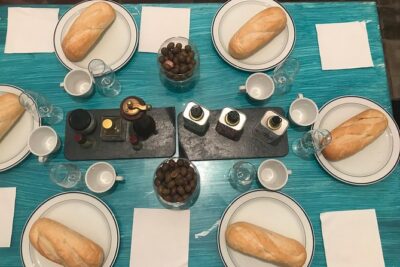
Tapas are included, which gives you something to eat alongside the oils. Lunch is not included, so do not treat the visit as a full meal. The small bites are best understood as part of the tasting, not a replacement for lunch.
The estate offers a tasting of different olive oils, and the activity description highlights premium extra virgin olive oil. Since the exact varieties and tapas can change, you should expect the selection to be explained during the visit rather than count on a fixed menu.
Same groves, a different morning out:
- Oil tourism in Pulpí Discover the World of EVOO
★ 5.0 · 133 reviews - Visit of the olive grove, olive oil tasting and snack
★ 4.9 · 111 reviews - Visit Oil Mill Museum and Olive Oil Tasting in Ronda
★ 4.5 · 105 reviews - Private Tasting of Olive Oil in Córdoba
★ 5.0 · 93 reviews
Why the two-hour format works
Two hours is enough time to cover the estate without making the tour feel like an all-day commitment. You get an outdoor walk, an explanation of three cultivation systems, a mill visit, and a guided tasting in one compact experience.
I like this length for a stop between larger plans in Jaén province. It gives you a focused look at one of Andalusia’s defining products without asking you to surrender a whole day. It should also suit families and first-time visitors who want a clear introduction rather than a very technical agricultural course.
The short format has a tradeoff. You will not explore every corner of the estate or study every olive variety in detail. If you already work in olive production or want a highly specialized lesson in milling technology, the tour may feel introductory.
For most people, that is the right level. You leave with a better understanding of how the trees, the farming system, the mill, and the tasting fit together.
Getting to the Jabalquinto meeting point
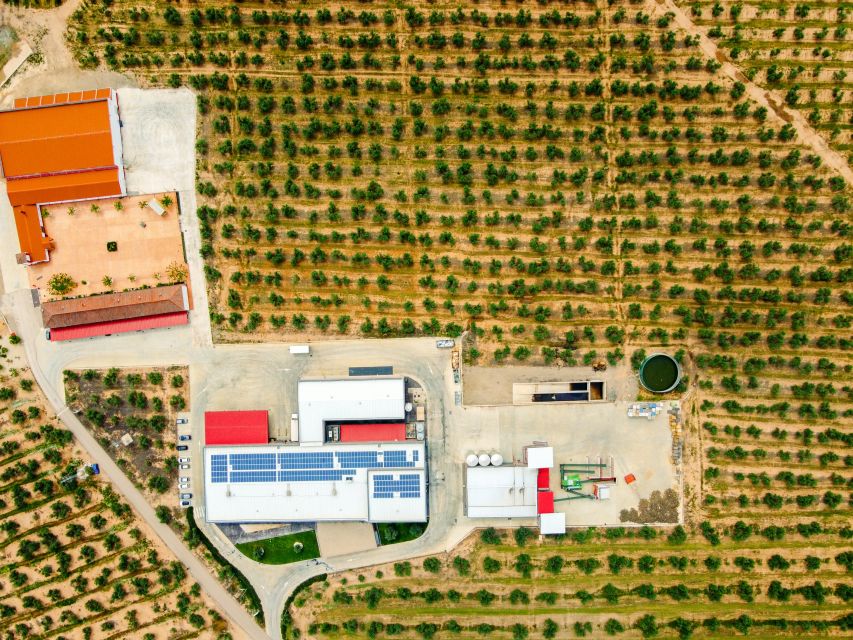
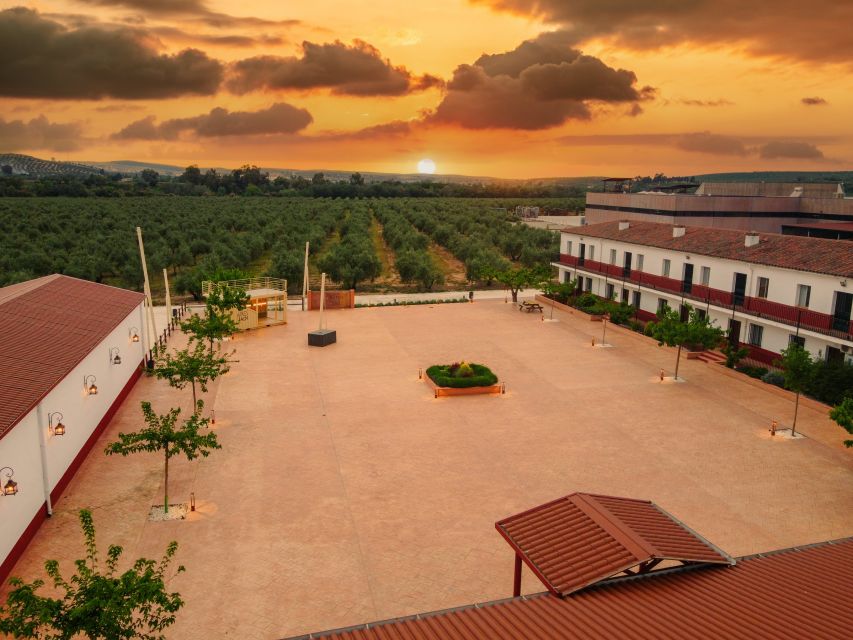
The meeting point is the Aires de Jaén estate in Jabalquinto. This is not a city-center attraction, so check your route carefully before setting out. The information provided does not include transport from Jaén or another nearby city, so you should arrange your own transportation to the estate.
A useful detail is that the meeting point is at an office complex on the property. One visitor specifically noted that clearer directions to the office complex would have been helpful. I would allow extra time to locate the correct building rather than arriving at the last minute.
The activity is wheelchair accessible, which is important for anyone checking access before booking. Still, the visit includes an outdoor grove walk, so it is sensible to confirm any personal mobility needs when arranging the tour.
English and Spanish live guides are available. No individual guide names are provided, but the tour is designed to be led rather than self-guided. That matters at an estate where the value comes from explanations about farming, milling, and tasting.
Is $23 a fair price?
At $23 per person, the tour offers solid value if you are interested in food, farming, or Andalusian culture. The price includes the estate visit, a guide, the grove walk, the mill explanation, extra virgin olive oil tasting, and tapas.
You are paying for more than a few samples. The three cultivation areas make the outdoor visit more informative, and the mill adds context before you taste the product. That combination gives the experience a stronger educational base than a simple shop tasting.
The value depends on your interests. If you dislike guided visits or have already toured several olive mills, you may find the two-hour program familiar. If you are curious about how olive oil reaches the table, the price is modest for a structured introduction with food included.
Lunch is not part of the cost. Plan another meal before or after the visit, especially if you are building a full day around Jabalquinto.
Who should book this olive oil experience?
I would recommend this tour to anyone who wants a direct connection with Andalusia’s olive-growing culture. It is a good choice for food lovers, couples, families, and visitors who prefer a short activity with a clear beginning and end.
It also suits you if you learn best by comparing real examples. Seeing traditional, intensive, and super high-density plantations together is more helpful than hearing those terms in isolation.
The experience may be less suitable if you want a long day outdoors, an olive harvest activity, or a full meal. It is also not the right pick if reaching a rural estate is difficult for your schedule. The tour is focused and educational, not a broad sightseeing trip through Jaén.
The strongest reasons to book are the three farming systems and the professional tasting session. Together, they show both where the olives come from and how the finished oil is judged.
Practical details before you go
Book with the weather and the setting in mind. Comfortable shoes are important for the grove walk, while sunglasses, a hat, and water will make the outdoor portion easier. Wear clothes that suit both a farm visit and an indoor mill tour.
The activity lasts two hours, with starting times depending on availability. It is offered in English and Spanish, and cancellation is free up to 24 hours before the scheduled visit. You can also reserve now and pay later, which helps if your Andalusian plans are still changing.
The tour has a rating of 4.9 from 53 reviews, with particular praise for the friendly, patient guidance, the interactive format, and the amount learned about cultivation, olive varieties, and oils. One practical note is worth repeating: look for the office complex on the estate, not only the general property entrance.
Should you book it?
Book this Aires de Jaén visit if you want a compact, well-priced introduction to olive oil that goes beyond tasting. The comparison of three growing methods gives the tour real substance, while the mill and sensory session make the lesson easy to remember.
I would skip it only if you have little interest in food production or cannot spare time for a rural estate visit. For most visitors exploring Jaén province, $23 buys a useful look at one of Andalusia’s most important products, plus tapas and a better understanding of what you are tasting.
FAQ
Where does the olive oil tour take place?
The tour takes place at the Aires de Jaén estate in Jabalquinto, in Andalusia, Spain.
How long does the experience last?
The guided experience lasts approximately two hours.
What languages are available?
Live guides are available in Spanish and English.
What does the tour include?
The price includes the olive estate tour, a guide, an extra virgin olive oil tasting, and tapas.
Is lunch included?
No. Lunch is not included, so plan a separate meal before or after the tour.
What farming methods will I see?
You visit three plantations using traditional, intensive, and super high-density olive cultivation methods.
Will I visit an oil mill?
Yes. The tour includes a visit to the oil mill, where you learn about the mechanical process used to produce extra virgin olive oil.
What should I bring?
Bring comfortable shoes, comfortable clothing, sunglasses, a hat, and water.
Is the tour wheelchair accessible?
Yes. The activity is listed as wheelchair accessible.
Just added around Spain
- XXI Century Olive Oil Mill Tour★ 5.0 · 3 reviews
- Visit to an olive oil mill and oil tasting with aperitif and food and wine pairing.★ 5.0 · 2 reviews
- Ulldecona: Guided Tour of the Millenary Olive Trees of Arión★ 5.0 · 2 reviews
- Treurer: Tapas Gourmet and Extra Virgin Olive Oil★ 4.7 · 3 reviews
- Olive Oil and Winery Tour from Zaragoza City★ 5.0 · 4 reviews
- Olive Oil Private Full-Day Tour with Tasting in Valencia★ 5.0 · 2 reviews
- Olive Oil Factory from Seville Private Tour★ 5.0 · 2 reviews
- Olive Oil Tasting Experience in Sevilla★ 5.0 · 2 reviews
Spain Olive Oil Tours, compared.
LA Almazara LA Organic, Olive Oil Museum and Tasting
Read our review →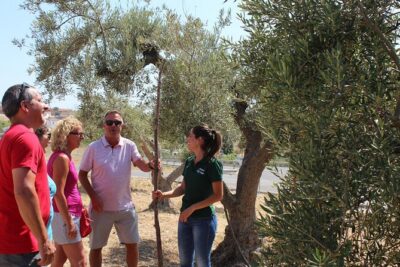
Guided tour and olive oil tasting in Alhaurin el Grande (Málaga)
Read our review →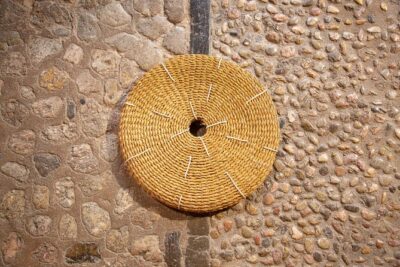
Guided Tasting Tour in 16th century House and Olive Oil Factory
Read our review →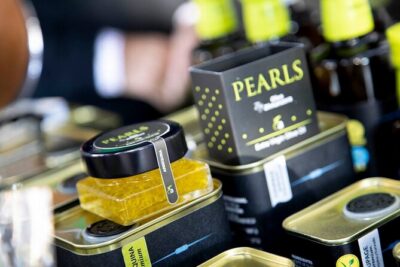
Oil tourism in Pulpí Discover the World of EVOO
Read our review →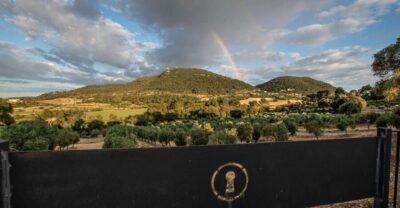
Visit of the olive grove, olive oil tasting and snack
Read our review →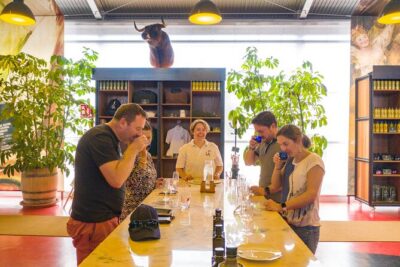
Visit Oil Mill Museum and Olive Oil Tasting in Ronda
Read our review →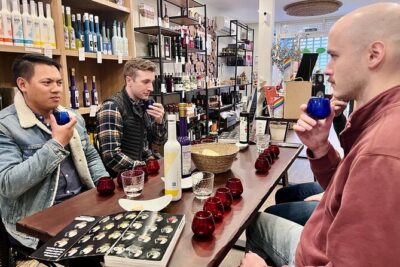
Browse the lists this tour appears in