
REVIEW · ARGENTINA
Half Day Tour of Wineries and Olive Oil from Mendoza
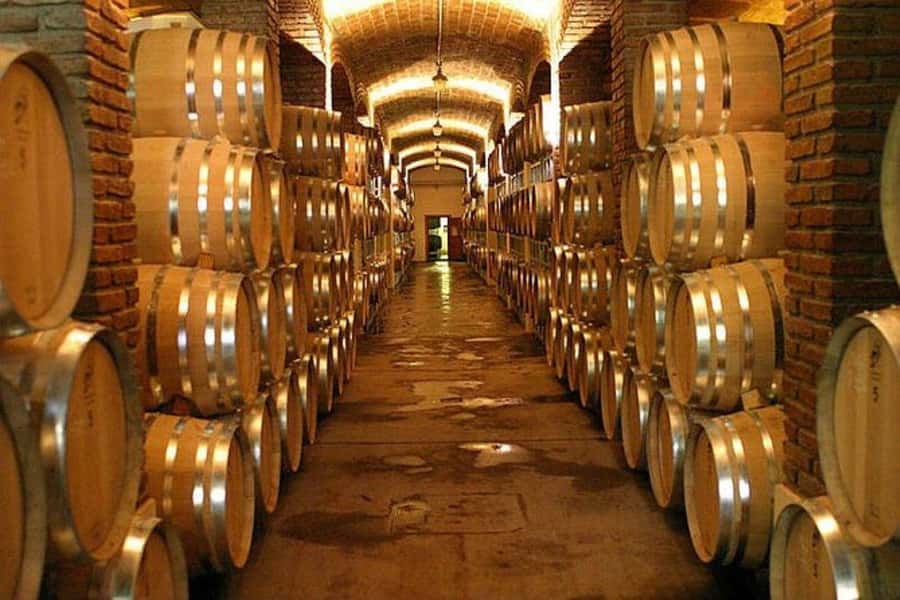
Mendoza’s wine country is easy to reach, but the best part of this tour is that it adds olive oil to the usual tasting route. You visit two boutique wineries and a small olive oil company in Maipú, with guides explaining how grapes and olives become finished products.
I like the small-producer focus and the convenience of hotel pickup in a heated or air-conditioned vehicle. I also like that tastings and entry tickets are included, so the $80 price is easier to judge before you book. The main drawback is the fixed half-day format: the possible wineries can vary, and lunch is not included.
Key points at a glance
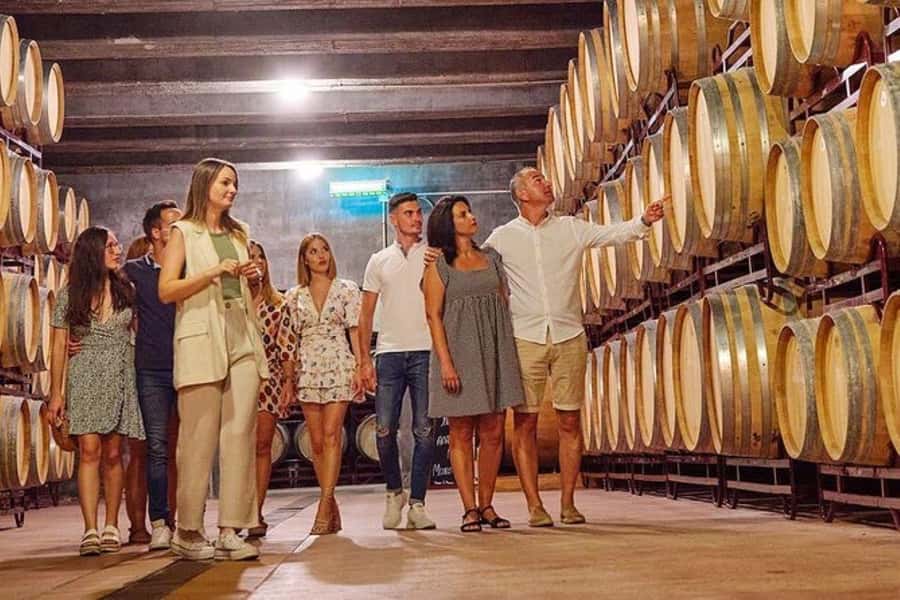
- Two wineries plus one olive oil factory: You get both sides of Maipú’s agricultural identity in five hours.
- Boutique-scale visits: The stops focus on production methods and tastings rather than a long list of large commercial estates.
- Hotel pickup in central Mendoza: Transportation is included in a modern vehicle with air-conditioning and heating.
- English and Spanish guiding: A bilingual guide accompanies you throughout the tour.
- Cash is useful: Some wineries may not accept credit cards, so carry pesos or another usable form of cash.
- A practical $80 package: Tastings, entrance fees, transportation, and guiding are included, but lunch and purchases are extra.
Why Maipú makes a good half-day outing
Maipú is one of Mendoza’s best-known wine-producing areas, and it is close enough to the city for a short tour. That matters if you have only a few days in Mendoza or want to leave room for an evening meal, a plaza stroll, or another activity.
This is not a full-day vineyard expedition into the farther wine areas. You spend about five hours on the road and at the producers, returning to Mendoza at roughly 7:00 pm. The shorter schedule keeps the outing manageable, though it also means you should not expect a slow, unhurried day at several large estates.
The tour begins with pickup from most downtown Mendoza hotels. That removes the need to arrange a taxi or work out local transport to Maipú. You ride in a modern vehicle fitted with air-conditioning and heating, a useful detail in Mendoza, where conditions can change between a warm afternoon and a cool evening.
The exact wineries are not fixed. Possible stops include Don Arturo, Florio, Vistandes, Cecchin, Domiciano, Carmine Granata, Carinae, Lopez, Pasrai, and Laur. This gives the operator room to plan the day around availability, but it also means you cannot book this tour expecting one specific winery unless the provider confirms it in advance.
More Olive Oil and Wine Tours in the world:
- Sorrento Farm and Food Experience including Olive Oil, Limoncello, Wine tasting
★ 5.0 · 2,524 reviews - Split: Krka Waterfalls With Boat Cruise, Wine and Olive Oil
★ 4.3 · 1,507 reviews - From Mendoza: 3 Wineries, Olive Oil Factory Tour & Tasting
★ 4.6 · 901 reviews
The first winery stop: learning how Mendoza makes wine
At the first winery, a member of the staff explains the production process before the tasting begins. You can expect an introduction to the way grapes are handled and turned into wine, followed by samples that show the character of that producer.
The useful point here is the connection between the glass and the work behind it. Instead of simply pouring wine and moving on, the visit is designed to explain how the winery operates. If you are new to wine, this gives you a basic framework for tasting. If you already know Mendoza wines, the boutique setting may be more interesting than a standard retail tasting.
The word boutique can mean different things, so keep your expectations sensible. It suggests a smaller operation, not necessarily an intimate private visit or a famous luxury estate. Staff members guide the visit, and the tone may vary depending on the producer scheduled that day.
You will taste several locally made wines, though the exact labels and number of pours are not specified. That uncertainty is normal for a rotating itinerary, but it is worth remembering if you have a particular grape or producer in mind.
The second winery adds comparison
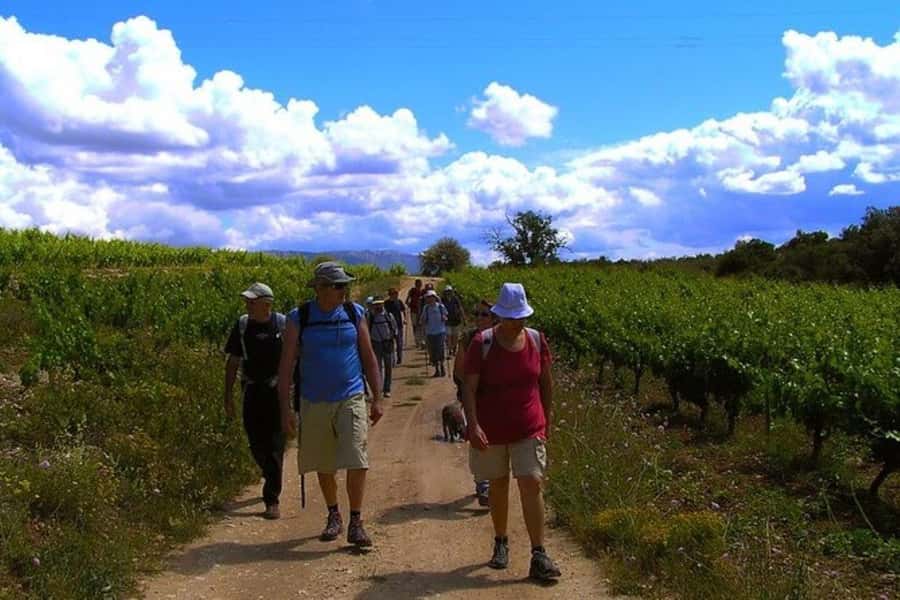
The second winery is important because it lets you compare one producer with another on the same afternoon. Differences in style, methods, and flavors become easier to notice when the visits happen close together.
You might find that one winery feels more traditional while another places more attention on small-batch production or presentation. The tour information does not promise a particular style, so treat the contrast as part of the appeal rather than expecting a carefully designed tasting flight.
The English or Spanish guide stays with you throughout the tour, while specialized staff at the wineries explain their own production. That arrangement gives you a bridge between stops and helps keep the day moving. You are not left to figure out the route or the tasting sequence on your own.
The public score is currently 3.9 out of 5 from four ratings. Two short ratings gave the outing top marks, while another described it as simply okay. That spread is a useful warning: the tour delivers the planned winery and olive oil visits, but the experience may depend on the assigned producers, guide, group, and your expectations.
The olive oil factory brings a different flavor
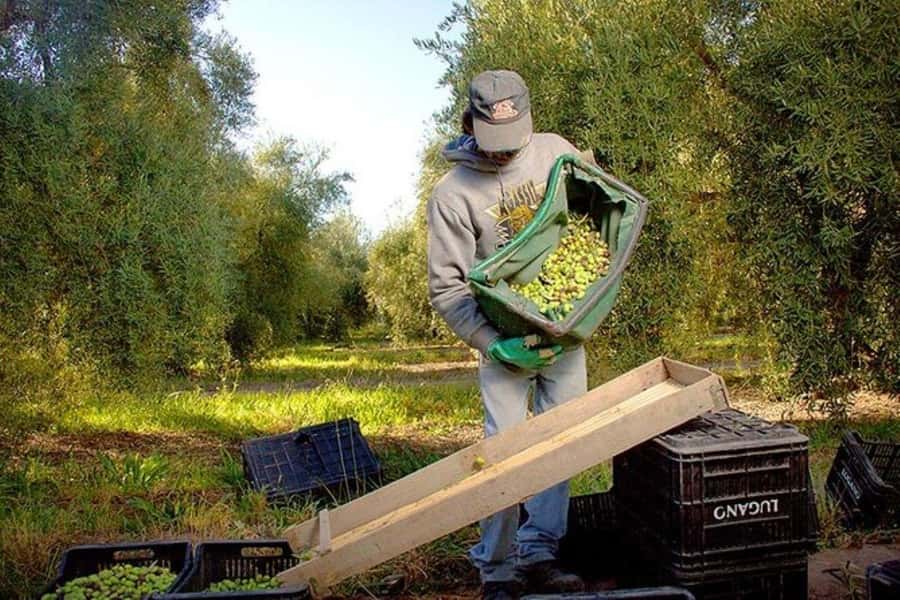
The olive oil visit is the feature that sets this tour apart from a basic winery circuit. At a small olive oil factory, you learn how olives are processed and taste locally made oils.
Wine tasting gets most of the attention in Mendoza, but olive cultivation is another important part of the province’s agricultural economy. The stop gives you a chance to compare two products that depend on farming, processing, storage, and careful tasting.
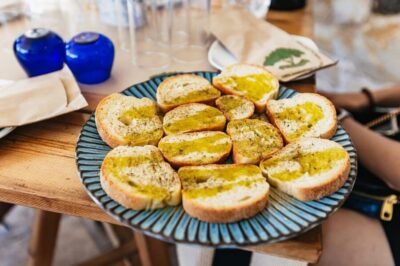
Pay attention to the production explanation before reaching for the bread or tasting spoon. You can learn what the company looks for in its oil and how the finished product reflects the olives and the production method. The supplied details do not specify the exact tasting format, so the number of oils and food pairings may vary.
You can buy olive oil at the factory. This is a practical stop if you want a useful food souvenir rather than another bottle of wine. Just remember that purchases are not included in the tour price.
A few more olive oil tours around the world worth a look
- Crete: Quad Safari, Olive Mill with Tasting & Ghost Village
★ 4.9 · 1,004 reviews - Knossos-Zeus Cave -Old Traditional Villages-Olive Oil Factory
★ 5.0 · 694 reviews - The Governor’s Olive Mill Tour with Olive Oil Tasting
★ 5.0 · 502 reviews - From Chania: Olive Oil, Wine, Cheese & Honey Tasting Tour
★ 4.6 · 490 reviews
What the $80 price really covers
At $80 per person, the tour includes transportation, a bilingual guide, entry tickets, and tastings at the wineries and olive oil company. Those inclusions make the price reasonable for visitors who want a guided outing without arranging separate transport to Maipú.
The value is strongest if you are staying in central Mendoza and would otherwise need to organize taxis or a private vehicle. You also avoid guessing which producers accept walk-in visitors. The guide manages the route, and the scheduled tastings are built into the cost.
Lunch is not included. Since the trip lasts about five hours and returns around 7:00 pm, plan your meals around it. You may want breakfast before pickup and a proper dinner after returning to Mendoza. Do not assume that a meal is provided between the winery and olive oil stops.
Wine and olive oil purchases cost extra. Some establishments do not accept credit cards, so carry cash. This small tip can save you from missing the chance to buy a bottle you enjoyed.
Argentine payment needs special care. For Argentine residents or anyone using an Argentine payment method, the listed peso price does not include taxes. The booking is processed through foreign websites that invoice in US dollars, so your payment method may add an extra charge. Check the final amount before paying rather than relying only on the displayed peso figure.
Buying bottles and getting them home
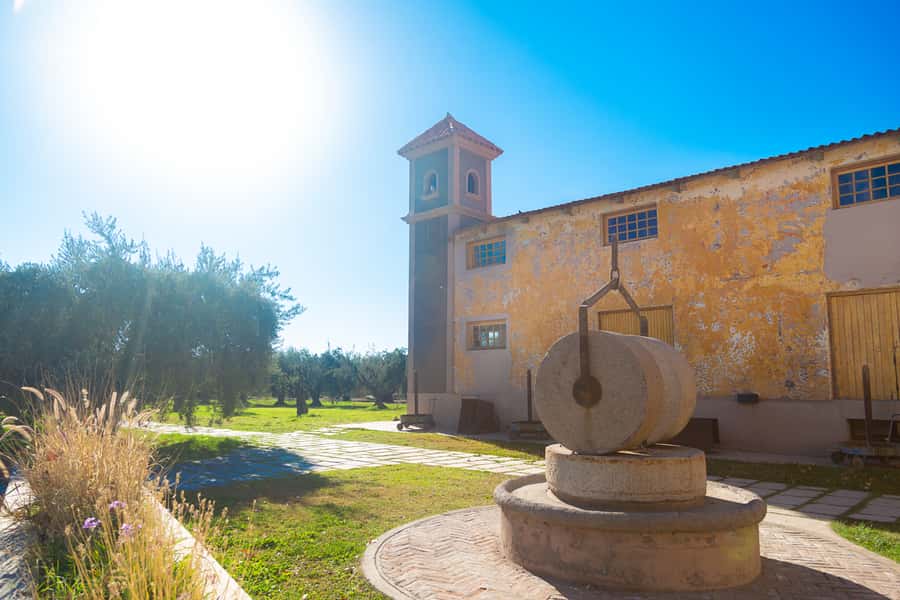
Every establishment gives you the chance to buy wine or olive oil. This can be tempting after a tasting, but think about luggage before you pay.
The provided information states that up to six bottles per person can be transported by plane in hand luggage. Airline rules can change, and baggage policies differ, so check your carrier’s current requirements before buying several bottles.
Cash matters here. Not every winery accepts credit cards, and you do not want a payment problem at the last stop. Carry enough money for the purchases you are seriously considering, but avoid carrying more than you need for the day.
If you are flying onward, ask the producer how the bottles are packed. The tour information does not promise special shipping or checked-baggage service, so you are responsible for getting your purchases home.
How the five-hour schedule feels
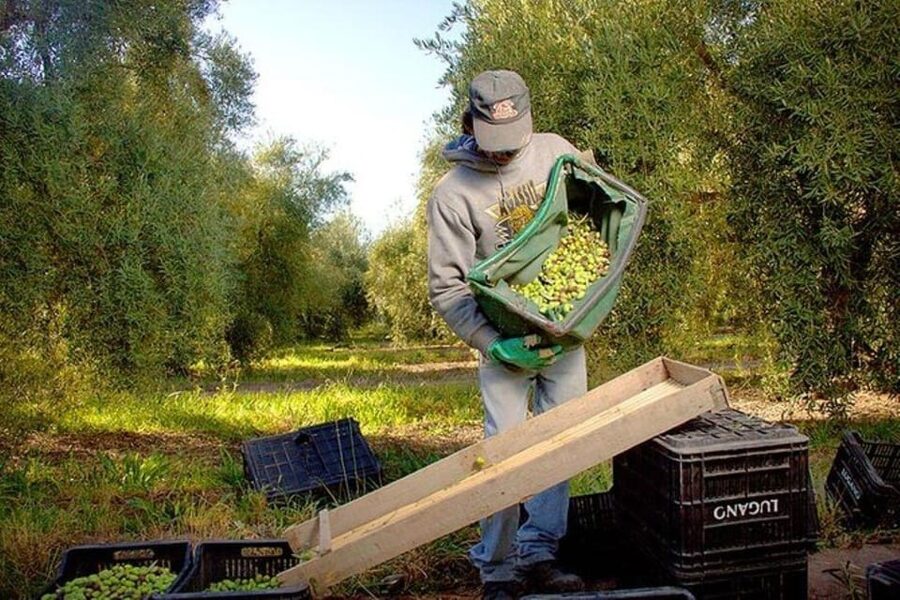
The tour is designed as a compact afternoon or late-day outing. Pickup begins from most downtown hotels, and the group travels to Maipú in a comfortable vehicle. You then visit two wineries and an olive oil company before returning to Mendoza around 7:00 pm.
The pace should suit you if you like variety and want a clear introduction to the region. Three agricultural stops in five hours means the visits are likely to be structured and time-conscious. You get an overview rather than long stretches to wander, photograph, or sit over a leisurely bottle.
That tradeoff is worth considering. A half-day tour works well alongside other Mendoza plans, but it will not satisfy someone seeking a full wine-country day with many hours at one estate. The rotating list of possible producers also makes the outing less predictable than a private tour built around a single named winery.
Transportation helps keep the day simple. You do not need to drive after tasting wine, and the vehicle has both heating and air-conditioning. You can focus on the visits instead of road directions.
The guide and language options
A bilingual guide in English or Spanish accompanies the group during the whole tour. That is especially useful during transfers, when you can ask about the region, the schedule, or the next stop.
At the wineries, specialized staff lead the production explanations. The tour information does not provide guide names, so you should not book it expecting a particular person. The quality of the day may depend partly on which guide and producers are assigned.
The short public comments include two simple top ratings, one in Spanish meaning very good, and one English rating calling the tour okay. The clearest lesson is to book this for the structure and included visits, not because you expect a highly customized experience.
Who will like this tour most
I would choose this tour if you want an easy first look at Mendoza’s wine culture and prefer not to plan transport. It is also a good match if you like food and drink experiences that include more than one product.
You are likely to get the most from it if you:
- Have limited time in Mendoza
- Want wine tastings without renting a car
- Like comparing small producers
- Want to visit an olive oil company as well as wineries
- Need English or Spanish guiding
- Prefer a half-day outing to a full-day commitment
It may not be the best fit if you want a private guide, a guaranteed visit to one specific estate, lunch at a winery, or a long tasting at a single producer. The tour also may feel too brief if your main goal is a serious wine education.
Free cancellation is available up to 24 hours before the tour for a full refund, and you can reserve now and pay later. Those terms help if your Mendoza plans are still shifting, but they do not change the need to check the final payment total, especially when using an Argentine payment method.
Should you book this Maipú tasting tour?
Book it if you want a practical, moderately priced introduction to Mendoza’s wine and olive oil production, with hotel pickup and tastings already arranged. The combination of two wineries and one olive oil factory gives the five-hour schedule a useful sense of variety.
Skip it if you need a fixed winery lineup, lunch, or a private and highly personal visit. For most first-time visitors with limited time, the $80 cost is fair because it covers the vehicle, guide, entrances, and tastings. Just carry cash, plan to eat separately, and treat the possible winery list as flexible.
FAQ
How long does the tour last?
The tour lasts five hours.
Where does the tour take place?
The tour visits wineries and an olive oil company in Maipú, Mendoza Province, with pickup from most downtown Mendoza hotels.
What time does the tour return to Mendoza?
The tour is expected to return to the city around 7:00 pm.
How many wineries will I visit?
You will visit two boutique wineries.
Will I visit an olive oil producer?
Yes. The itinerary includes a visit to a small olive oil factory.
Are tastings included?
Yes. Wine and olive oil tastings, along with entrance tickets, are included.
Is lunch included?
No. Lunch is not included in the tour price.
Is the tour available in English?
Yes. The tour is offered in English and Spanish, with a bilingual guide during the outing.
Should I bring cash?
Yes. Carry cash because not all wineries accept credit cards. You can buy wines and olive oils at the stops, but purchases are not included.
Just added around the world
- XXI Century Olive Oil Mill Tour★ 5.0 · 3 reviews
- Zadar, Šibenik: olive oil, wine & food tasting, Self Drive★ 4.7 · 9 reviews
- Vernazza (5 Terre): olive grove tour and oil and wine tasting★ 5.0 · 9 reviews
- Visit to an olive oil mill and oil tasting with aperitif and food and wine pairing.★ 5.0 · 2 reviews
- Athens: Greek Wine & Olive Oil Tasting at Brettos Plaka★ 4.5 · 3 reviews
- Trevi: Guided tour and tasting at Frantoio Gaudenzi★ 5.0 · 3 reviews
- Unveiled Secrets of Porto + Olive Oil Tasting★ 4.8 · 3 reviews
- Ulldecona: Guided Tour of the Millenary Olive Trees of Arión★ 5.0 · 2 reviews
Olive Oil & Wine Tours, compared.
Sorrento Farm and Food Experience including Olive Oil, Limoncello, Wine tasting
Read our review →

Lemon, Olive Oil and Wine Tasting Tour with Lunch
Read our review →

Browse the lists this tour appears in