
REVIEW · CORDOBA
Extra Virgin Olive oil tasting
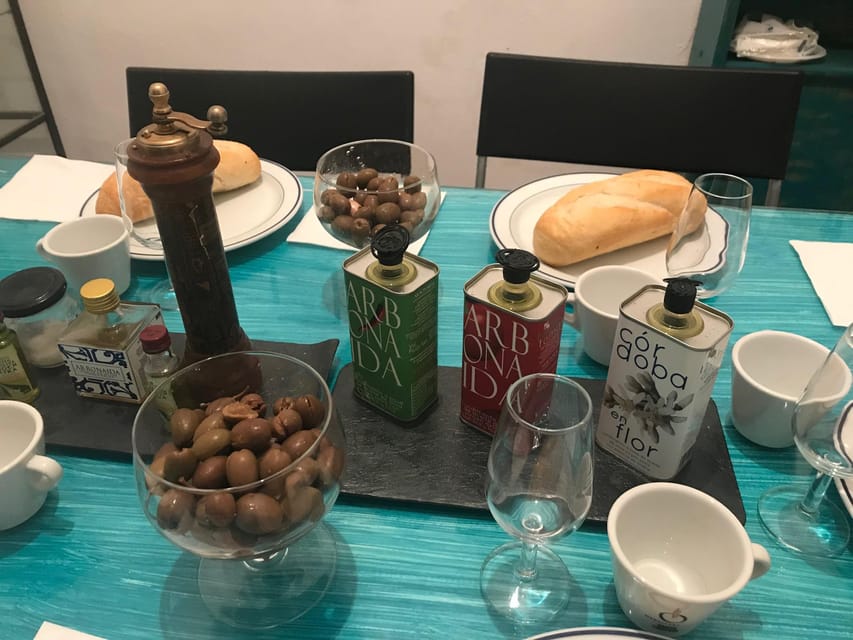
Córdoba’s liquid gold is not just a bottle on a restaurant table. In this 75-minute tasting, you sample six extra virgin olive oils while learning how the fruit, harvest, milling, and storage shape each flavor. The experience begins at the clock beneath the main entrance to the Corredera Market, then moves into a tasting room for a traditional desayuno molinero, or miller’s breakfast.
I like the market connection, which gives the tasting a local-food setting instead of making it feel like a formal classroom. I also like the clear focus on four important olive varieties: picual, arbequina, picudo, and hojiblanca. The one thing to keep in mind is that this is a tasting and lesson, not a visit to an olive farm or mill.
Quick take: what makes this tasting worthwhile
- Six Cordoban extra virgin olive oils let you compare real differences in aroma, bitterness, fruitiness, and finish.
- The Corredera Market meeting point adds a short look at local food before the tasting begins.
- Desayuno molinero pairs the oils with traditional bread, turning the lesson into a proper Andalusian breakfast.
- Picual, arbequina, picudo, and hojiblanca give you a useful introduction to major regional olive varieties.
- English and Spanish instruction makes the experience practical for international visitors.
- An on-site shop lets you buy the oil you prefer at the end, rather than guessing from a supermarket shelf.
Meeting beneath the Corredera clock
You meet beneath the large clock under the main entrance to the Corredera Market. This is a handy central point, but look for the exact clock and entrance rather than simply heading into the square and waiting anywhere.
The market is part of the appeal. Several accounts of the experience describe a short walk through the market before the tasting, with attention paid to local foods and the difference between ordinary and premium products. You may also stop at a bakery to choose the bread used for the breakfast. That small detail matters because it connects the olive oil to the way people actually eat it in Córdoba.
The market portion is not a separate food tour, so keep your expectations in check. It is best understood as a brief introduction to local produce before the main lesson. If you arrive early, the market area gives you a pleasant place to get oriented.
More Olive Oil Tastings in Spain:
- Guided tour and olive oil tasting in Alhaurin el Grande (Málaga)
★ 5.0 · 200 reviews - Visit of the olive grove, olive oil tasting and snack
★ 4.9 · 111 reviews - Visit Oil Mill Museum and Olive Oil Tasting in Ronda
★ 4.5 · 105 reviews
Six oils, four olive varieties, and a useful lesson
Once inside the tasting room, your guide explains how olive oil moves from tree to bottle. You learn about picking, pressing, production, and the qualities that separate extra virgin oil from lesser grades.
The main lesson focuses on picual, arbequina, picudo, and hojiblanca. These names can seem like a blur when you first hear them, but tasting them side by side gives each one a point of reference. You begin to notice that olive oil is not a single flavor. One oil may feel grassy and peppery, while another seems softer, sweeter, or more rounded.
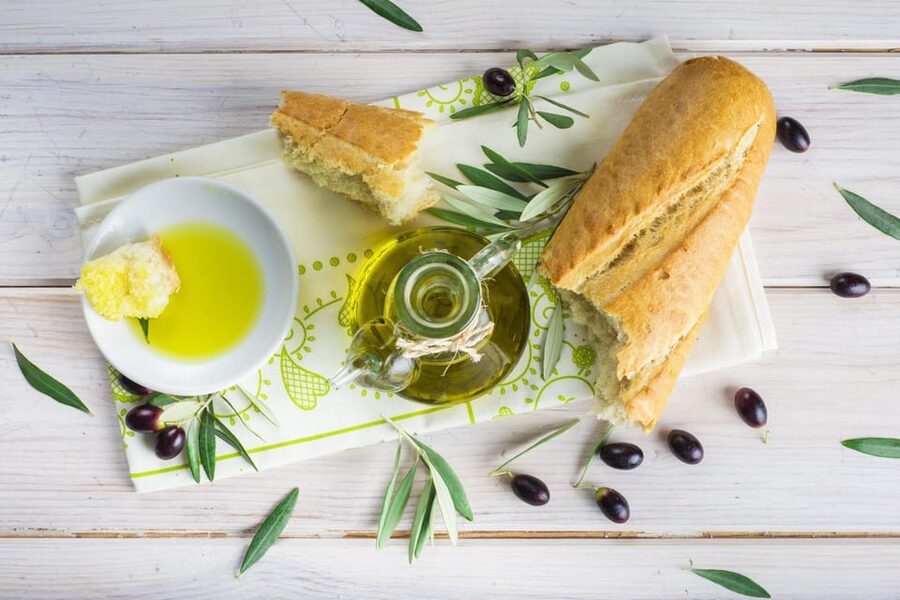
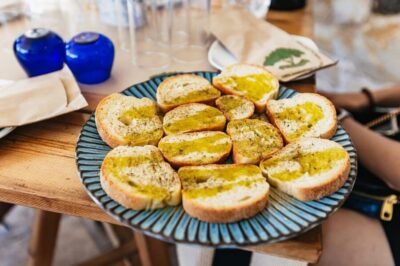
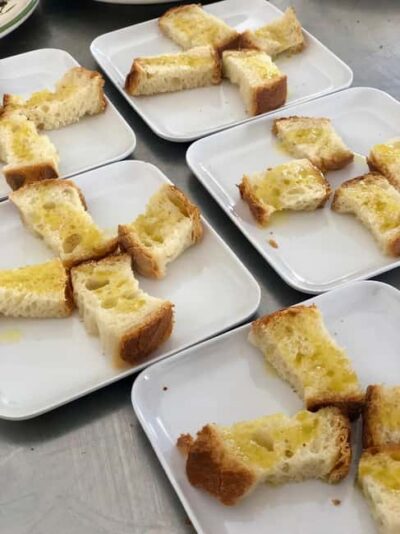
The tasting format is simple. Oil is placed on a plate, then sampled with bread. Water and coffee help clear your palate between tastings. This is not a laboratory-style tasting with elaborate equipment, which is part of its charm. You are learning through ordinary food, in the way olive oil is used at home.
A good guide will also explain organoleptic characteristics, the sensory traits you detect through smell and taste. You may be shown how to notice fruitiness, bitterness, and a peppery sensation in the throat. These traits are not defects. In a quality extra virgin olive oil, bitterness and a slight sting can be signs of fresh olives and natural compounds.
You do not need any previous tasting experience. The guide leads you through the process and gives you a vocabulary for describing what you notice. If you already cook with olive oil, you will likely leave with a better sense of which styles suit bread, salads, vegetables, or stronger dishes.
Desayuno molinero: Córdoba’s simple olive oil breakfast
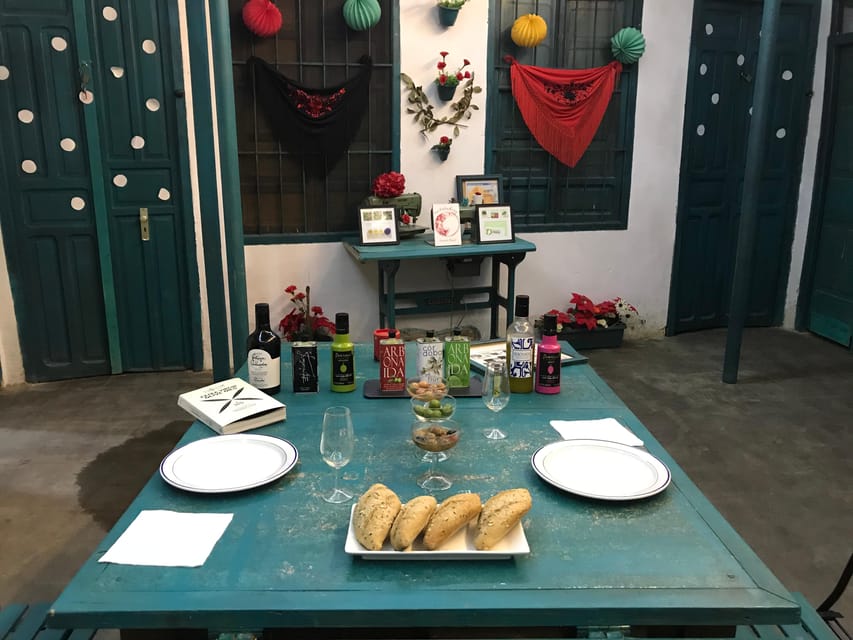
The traditional desayuno molinero is one of the most appealing parts of the experience. It is a straightforward meal built around bread and olive oil, often associated with the old mill tradition of Andalusia.
Here, the bread is described as pan del Vacar, and it serves as the base for sampling. The format is modest, but that is the point. You are not being distracted by a long menu or fancy garnishes. The oil has to do the talking.
You can also have coffee or tea, including Arabic coffee from a local producer. Coffee gives the tasting a pleasant breakfast feel and helps break up the different samples. If you enjoy food traditions that are tied to everyday life, this is more revealing than a polished cooking demonstration.
An olive sandwich has also been suggested as something worth trying. Since the included food is bread for the tasting, treat that as an optional extra rather than a guaranteed part of the package.
From olive grove to bottle
The guide explains the production process from the beginning to the finished product. You learn how the olive variety affects the oil, how harvesting and processing matter, and why storage and quality standards are important.
This context is useful because supermarket labels can be confusing. Terms such as extra virgin, premium, and ordinary oil do not always mean much until you understand the production differences. The tasting gives you a way to connect the label with what is in your glass or on your plate.
The experience also touches on older habits of consuming olive oil. In rural Andalusia, bread dipped in fresh oil was a simple meal, not a special tasting ritual. That link between ancient custom and current food culture gives the lesson a stronger sense of place.
The guide may also share family connections to olive oil production. Barbara, one of the guides, has spoken about growing up in a family that had produced olive oil since the 1700s. Guides have also included Adrian, Gloria, and Mara, all praised for making the subject easy to follow and connecting it with Córdoba’s food and past.
Because the instructor can change, the tone may vary slightly from one departure to another. The common thread is a personal approach, with time for questions and conversation rather than a fixed speech delivered at high speed.
A few more olive oil tours around Spain worth a look
- Ronda: LA Almazara LA Organic, Olive Oil Museum and Tasting
★ 4.6 · 435 reviews - Guided Tasting Tour in 16th century House and Olive Oil Factory
★ 5.0 · 169 reviews - Oil tourism in Pulpí Discover the World of EVOO
★ 5.0 · 133 reviews - Private Tasting of Olive Oil in Córdoba
★ 5.0 · 93 reviews
Why the guide matters here
Olive oil tasting depends heavily on the person leading it. Six oils on a table are interesting, but the explanation is what helps you understand them.
The guides used for this experience have been described as friendly, passionate, and well informed about both oil and Córdoba. Barbara, in particular, has been noted for adding details about the city, the market, local food, and her family’s connection to production. Adrian has been praised for his enthusiasm for Cordoban gastronomy, while Mara has been appreciated for encouraging discussion during the tasting.
That personal quality is a strong reason to book this rather than simply buying several bottles and sampling them alone. You can ask why an oil smells different, what a peppery finish means, or which variety might suit a particular dish.
The format also works well for people who prefer a small, personal activity. It is not designed as a large bus excursion. The atmosphere is described as friendly and relaxed, with plenty of room for conversation.
The tasting room: cool, comfortable, and practical
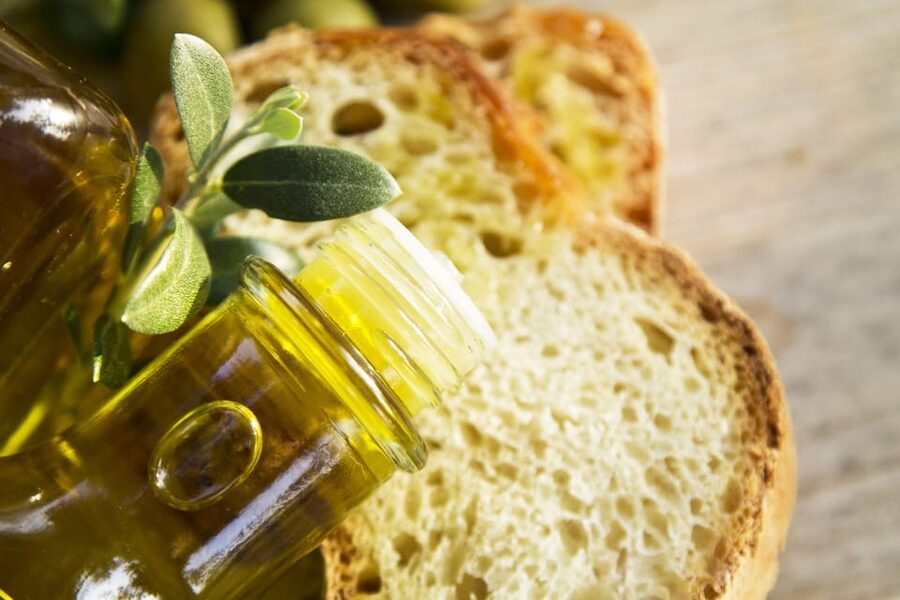
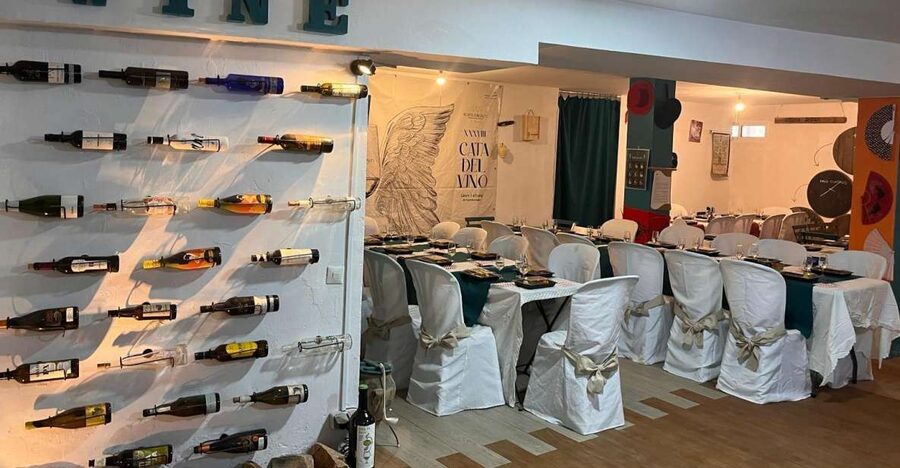
The tasting takes place in an indoor room, described by some participants as a cool, comfortable basement studio or a welcoming little wine shop. That is good news in Córdoba, where summer heat can make outdoor activities tiring.
You should expect a simple setting rather than a grand culinary venue. The value comes from the oils, bread, coffee, and guide, not from elaborate surroundings. For many visitors, that is exactly right. The room keeps the focus on taste and explanation.
The session lasts about 75 minutes, although it may run closer to an hour and a half depending on the pace of the group. That extra time can be useful if you enjoy questions and conversation, but leave a little space in your sightseeing schedule.
Buying a bottle after the tasting
At the end, you can buy the oils you like from the on-site shop. This is one of the most practical features of the experience because you can taste before spending money.
Prices are described as favorable, and you can buy bottles for yourself, friends, or family. Check your luggage plans before buying. Glass bottles add weight and can be awkward to pack, although olive oil is one of the most useful food souvenirs from Andalusia.
I recommend waiting until after the tasting to choose. A label that sounds appealing may not match your taste, and the oil with the strongest flavor is not automatically the best one for you. Some people prefer a peppery picual, while others may want a gentler oil for breakfast or salads.
If you are flying, think about how you will transport the bottle before purchasing several. The shop is convenient, but convenience does not remove airline baggage limits.
Is $15 good value?
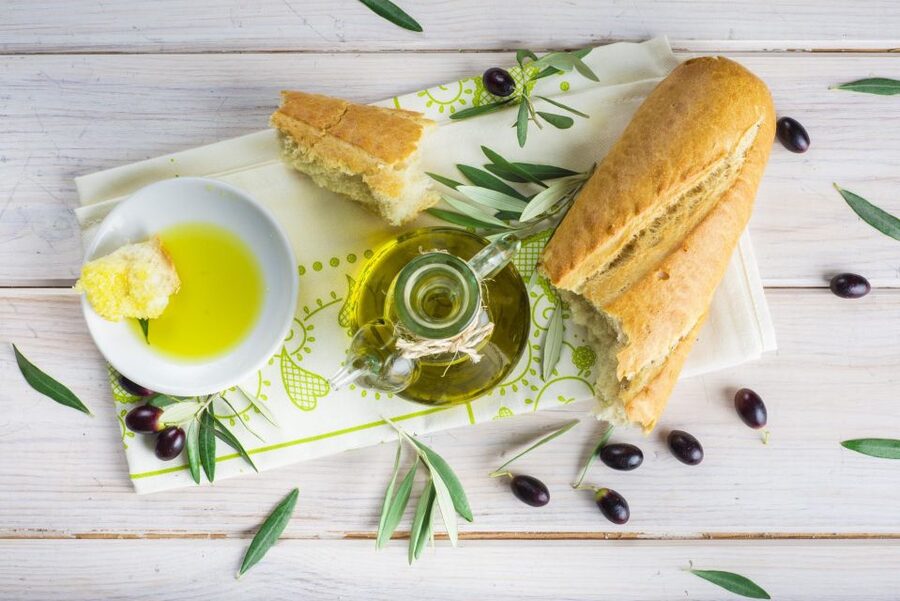
At $15 per person, this is a strong value if you want an introduction to Andalusian olive oil. The price includes six Cordoban oils, bread for the miller’s breakfast, and coffee or tea. You also receive instruction in English or Spanish and the chance to shop after tasting.
A similar experience at home could cost more once you buy several quality oils for comparison. Here, the setting adds local context, and you do not have to guess which bottles to choose.
The value is less clear if you are hoping for an agricultural excursion. There is no stated transport to an olive grove, no listed mill visit, and no full meal. You are paying for a focused tasting and lesson in central Córdoba.
For a short activity between major sights, the cost and time work well. It gives you a different side of the city without taking half a day.
Who should book this experience?
I would recommend it to food lovers, curious cooks, and anyone who wants a break from churches, palaces, and museums. Córdoba has plenty of major sights, but olive oil is one of the products that helps explain daily life across Andalusia.
It is also a good choice if you are new to olive oil. You do not need technical knowledge, and the guide explains the basics without requiring you to study tasting terms beforehand.
Families and mixed-interest groups may enjoy it because the activity is short and social. The friendly tone helps keep it from feeling like a formal lecture.
You may want to skip it if you dislike bread-based tastings, have no interest in food production, or want an outdoor farm visit. It is also not suitable for wheelchair users, according to the activity information.
The meeting point is central, and the indoor room is comfortable, but the experience includes movement from the market area to the tasting space. Ask the provider directly if you need detailed access information.
A few practical tips before you go
Arrive at the Corredera Market clock with enough time to locate the entrance. The meeting point is specific, and the market has several places where you could otherwise wait by mistake.
Do not wear strong perfume. It can interfere with the aroma of the oils, and smell is an important part of the tasting.
Eat lightly beforehand if you can. The bread and oil make a satisfying breakfast, but the tasting is not intended to replace a large meal.
Bring a small bag with room for a bottle if you plan to shop. You can decide what to buy after tasting, which is better than carrying oil around Córdoba all morning.
Finally, ask questions. The guides are there to explain the varieties, production steps, local habits, and food pairings. You will get more from the experience if you talk through what you are tasting rather than simply dipping bread and moving on.
Should you book the Córdoba olive oil tasting?
Book it if you want a friendly, affordable introduction to one of Andalusia’s defining foods. The strongest features are the side-by-side comparison of six oils, the traditional bread breakfast, the market setting, and guides who connect olive oil with Córdoba’s food culture.
Do not book it expecting a countryside excursion or a full culinary tour. This is a compact indoor tasting with a short market introduction.
For $15 and roughly 75 minutes, I think it earns its place in a Córdoba itinerary, especially in the morning. You leave with a better understanding of olive oil, a local food memory, and the option to take home a bottle you have already tasted.
FAQ
Where does the olive oil tasting meet?
The meeting point is beneath the large clock under the main entrance to the Corredera Market in Córdoba.
How long does the experience last?
The stated duration is 75 minutes. Some sessions may last closer to an hour and a half depending on the pace.
How much does the activity cost?
The listed price is $15 per person.
How many olive oils are included?
The experience includes six olive oils from Córdoba.
Which olive varieties are discussed?
The tasting covers picual, arbequina, picudo, and hojiblanca varieties.
Is food included?
Bread for the traditional desayuno molinero is included. Coffee and tea are also included.
Is coffee available during the tasting?
Yes. Coffee and tea are included, and the experience also features Arabic coffee from a local producer.
What languages are offered?
The instructor can lead the experience in Spanish or English.
Can I buy olive oil after the tasting?
Yes. An on-site store offers oils for purchase after you have tasted them.
Can wheelchair users join?
The activity is listed as unsuitable for wheelchair users.
Can I cancel for a refund?
You can cancel up to 24 hours in advance for a full refund.
Do I have to pay when I reserve?
The activity offers reserve now and pay later, so you can hold a place without paying immediately.
Just added around Spain
- XXI Century Olive Oil Mill Tour★ 5.0 · 3 reviews
- Visit to an olive oil mill and oil tasting with aperitif and food and wine pairing.★ 5.0 · 2 reviews
- Ulldecona: Guided Tour of the Millenary Olive Trees of Arión★ 5.0 · 2 reviews
- Treurer: Tapas Gourmet and Extra Virgin Olive Oil★ 4.7 · 3 reviews
- Olive Oil and Winery Tour from Zaragoza City★ 5.0 · 4 reviews
- Olive Oil Private Full-Day Tour with Tasting in Valencia★ 5.0 · 2 reviews
- Olive Oil Factory from Seville Private Tour★ 5.0 · 2 reviews
- Olive Oil Tasting Experience in Sevilla★ 5.0 · 2 reviews
Olive Oil Tastings, compared.
The Governor’s Olive Mill Tour with Olive Oil Tasting
Read our review →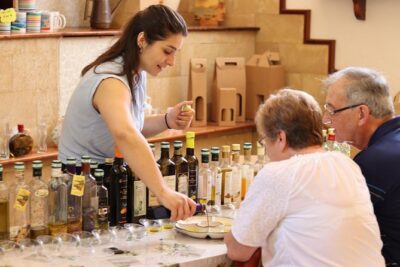
Masseria tour among thousand-year-old olive trees with oil tasting
Read our review →
Olive Grove Tour with Wines & Olive Oil Tasting
Read our review →
Bardolino: Lake Garda Oil Mill Tour with Olive Oil Tasting
Read our review →
Guided tour and olive oil tasting in Alhaurin el Grande (Málaga)
Read our review →Browse the lists this tour appears in