
REVIEW · SPLIT
Olive Oil Tour of Solta Island with Lunch
Šolta’s olive oil tradition is the heart of this five-hour outing. You ride over from Split, meet olive master Frane, walk among centuries-old trees, see how the fruit becomes oil, and sit down to a meal prepared by his son Marko. It feels more like a family visit than a standard sightseeing circuit.
I especially like the chance to taste several flavored oils with food and wine, rather than simply hear a talk and buy a bottle. I also like the easy island rhythm: a village visit, a good lunch, time in Maslinica, and a swim if the weather is right. The main drawback is value. At $260.36 per person, plus ferry tickets, this is a costly half-day, especially if you visit outside the swimming season.
Key points to know before you book
- Frane and Marko provide the personal touch: Frane leads the olive and island visits, while Marko prepares the meal.
- The olive oil tasting is hands-on: Try oils flavored with garlic, lemon, oranges, rosemary, and thyme alongside local dishes.
- You meet the tour in Rogač: Ferry tickets from Split are separate and cost about €4 to €5 each way.
- The tour is private: Only your own group takes part, with a minimum booking of two people.
- Maslinica adds a pleasant pause: You get time for a seaside walk, coffee, or simple sightseeing.
- Swimming is seasonal: Free time by the water is more useful in warm weather than in late autumn or winter.
Why Šolta makes a good olive oil day from Split
Split is full of Roman stone, busy cafés, and waterfront walks. Šolta offers a different kind of day, one based on groves, small villages, homemade food, and the slow work of farming.
The island is close enough for a practical side trip, yet the pace changes as soon as you leave the ferry port. The tour takes you into the eastern part of Šolta first, then across the island toward its western coast. That gives you more than an olive mill visit. You see how the oil fits into island life.
I would choose this experience if you want local contact and food rather than a packed sightseeing schedule. It is less suitable if you want a long list of monuments, a strenuous hike, or a full day of structured activities.
The tour price is $260.36 per person. That is a serious sum, but it covers a private guide, an air-conditioned van on the island, lunch, the olive grove visit, the mill, tastings, and village stops. You still pay for the ferry separately, at roughly €4 to €5 each way.
For two people, the cost buys privacy and direct attention. For a larger group, the private format may make better sense, especially if you value a flexible pace and a family-run meal. If you are mainly interested in buying olive oil, you can likely find less expensive ways to taste it. The value here comes from the full combination of farm, food, transport, and time by the sea.
More Olive Oil Tours with Lunch in Croatia:
- Sorrento: Lemon, Olive Oil and Wine Tasting Tour with Lunch
★ 5.0 · 300 reviews - Wine & Olive Oil Tour with Lunch at Milia Mountain Retreat
★ 5.0 · 194 reviews - Florence: Great Chianti Wine and Olive Oil Trail with Lunch
★ 4.8 · 160 reviews
Rogač: start with the ferry and an island welcome
The activity begins at the Rogač ferry port, not at a central Split meeting point. You need to arrange your own ferry tickets and arrive at the stated meeting place in Rogač. Check the ferry timing carefully so you are not rushing to meet the host.
Once you meet the guide, you transfer to an air-conditioned van. That matters on a hot day because the tour moves between several parts of the island, and you avoid having to arrange local transport yourself.
Rogač is the practical gateway to Šolta, but it is not the main event. The port gets you oriented, then the van carries you to the olive groves on the eastern side. The ride also lets the host introduce the island and point out local plants and traditions.
One particularly nice detail from the experience is Frane stopping to pick wild herbs along the way. It is a small act, but it shows how food on Šolta comes from more than a shop shelf. The island’s farming culture becomes easier to understand when you see those everyday connections.
Among centuries-old olive trees
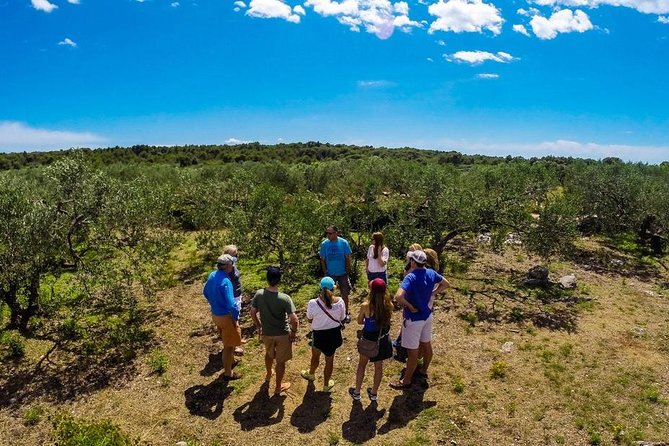
The first major stop takes about an hour in the olive groves. Frane explains the olive varieties, how the trees are cultivated, and why olives matter so much to the people of Šolta.
This is the part that gives the later tasting some context. You learn that oil quality begins long before the pressing room. The age of the trees, the fruit, the harvest, and the handling all affect the final bottle.
The old groves also offer a welcome change from the usual food tour setting. You are not only sitting at a table while someone describes production. You are out where the trees grow, seeing the setting that supports the island’s most important agricultural product.
Do not expect a long trek. The tour description sets aside about an hour for the grove, and the day is built around short visits and van rides. Wear shoes that are comfortable on uneven ground, since an olive grove is not the same as a paved promenade.
The olive lesson should appeal even if you are not an oil expert. Frane explains how to recognize genuine extra virgin olive oil and what to look for in quality. That gives you a useful skill to take home, not just a pleasant memory and a bottle.
Gornje Selo and the island’s old customs
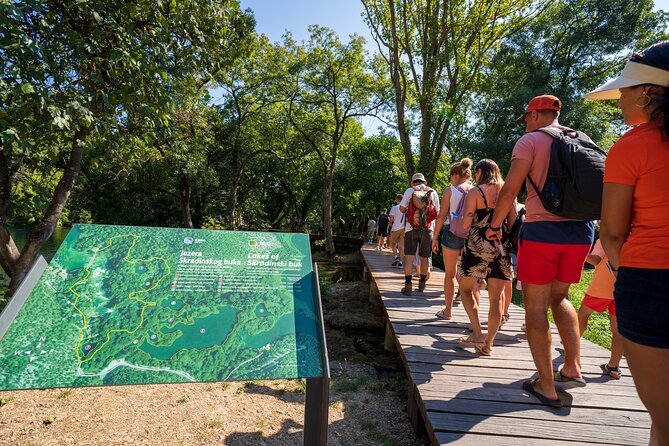
The van continues to Gornje Selo, where you spend about 45 minutes with a local guide. The focus here is the island’s history and traditions, rather than a large collection of formal sights.
Gornje Selo helps fill in the human side of Šolta. After seeing how olives are grown, you get a look at the village life that developed around farming and island routines. The visit is short, so think of it as a guided orientation rather than a full town tour.
I like this stop because it keeps the day from becoming a narrow food demonstration. You get a sense of the place where the food comes from, and the guide can connect village customs with the island’s agricultural past.
At the same time, the village visit may feel quiet if you prefer major attractions. Šolta’s appeal is its relaxed pace, so there is no promise of a long list of museums, grand buildings, or organized entertainment. That is a strength for some people and a limitation for others.
A few more olive oil tours around Croatia worth a look
- Wine & Olive Oil Tour with Lunch – Semi Private Safari Tour
★ 5.0 · 156 reviews - Kalamata- Olive oil & Wine Tour with traditional lunch
★ 5.0 · 117 reviews - Chania: Milia Mountain Tour w/Lunch Olive Oil/Wine Tastings
★ 4.9 · 97 reviews - Wine & Olive Oil Tour with lunch at the White Mountains
★ 5.0 · 71 reviews
Inside Olynthia Olive Oil

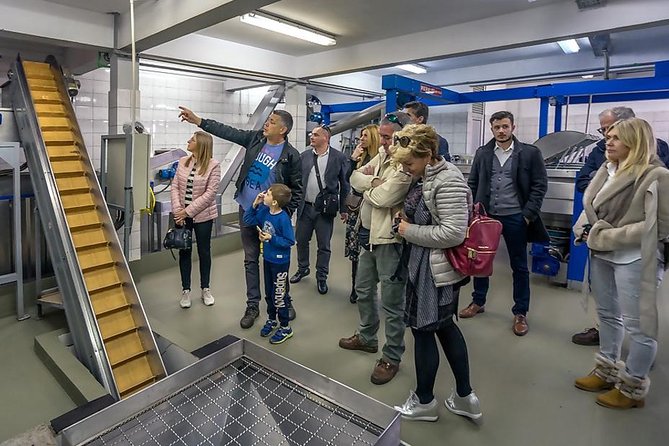
The most focused part of the day takes place at Olynthia Olive Oil. You see the mill and learn how olives are pressed, from the arrival of the fruit to the production of the finished oil.
The equipment gives you a better idea of the work behind a bottle labeled extra virgin. The host explains the process and the qualities that separate a good oil from a poor one. This is practical information, especially if you enjoy cooking or plan to bring oil home.
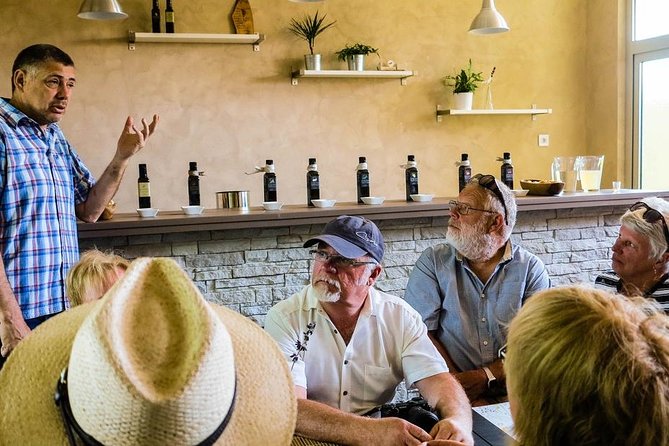
Then comes the tasting. You try naturally flavored oils with garlic, lemon, oranges, rosemary, and thyme. The flavors make the session playful, but the point is not only novelty. Pairing different oils with food helps you notice how scent, bitterness, freshness, and herbs change the experience.
Take your time here. Smell and taste each oil separately before trying it with food. You do not need to arrive with a trained palate. The format is designed to teach you what to notice without turning lunch into a formal exam.
A three-course lunch with wine and family cooking
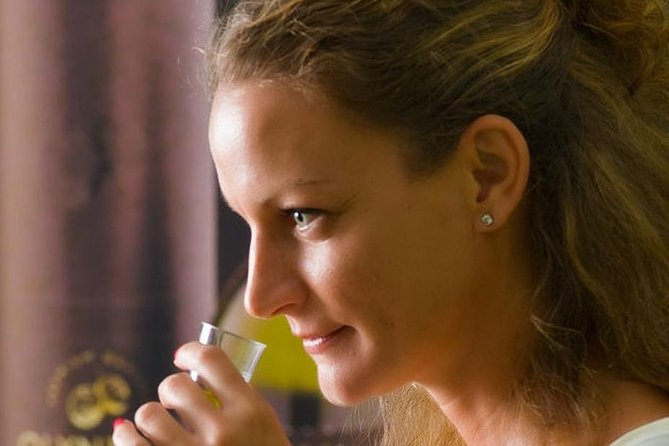
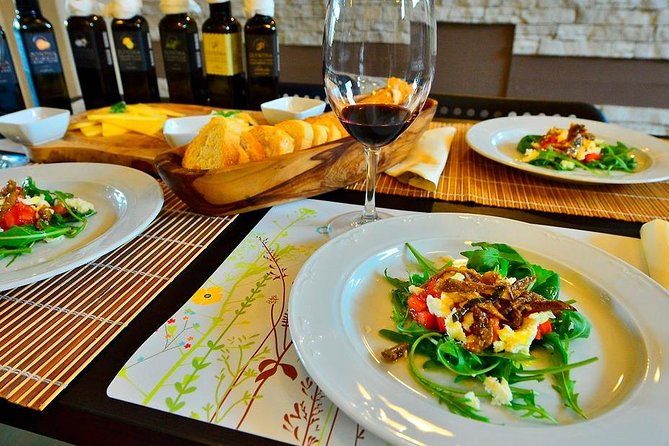
Lunch is included, and it is one of the strongest reasons to consider this experience. Marko, Frane’s son, prepares a home-cooked three-course meal using the family’s olive oils.
The meal is served with local wine and pairings of different oils and dishes. One memorable food detail is the pesto made with their oil, which has been singled out as a particularly successful part of the meal. The lunch is described as plentiful, so come ready for more than a small tasting plate.
What makes this different from a restaurant stop is the connection between the food and the lesson. You have just seen the grove and the mill, and now you taste the oil in a real meal. The family relationship between Frane and Marko also adds warmth and humor to the visit.
There is no hard sell built into the experience. You may still want to take home several bottles after tasting the oils, but the choice is yours. That balance matters. A farm visit feels much better when you can ask questions and shop without pressure.
Tell the provider about dietary requirements when you book. Lunch is part of the experience, and advance notice gives the host a chance to understand your needs. The available information does not specify a fixed menu or substitute dishes, so do not assume every request can be met without checking.
Maslinica: a slow hour on the western coast
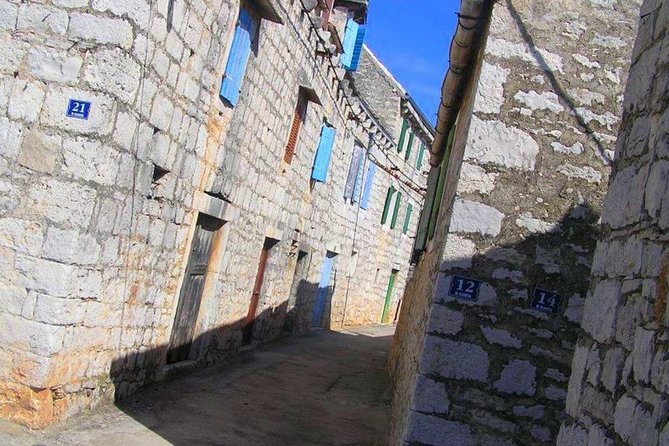
After lunch, the van heads west to Maslinica, described as the most beautiful place on the island. You have about an hour and a half for sightseeing, a walk by the sea, or coffee.
This is useful breathing room after the food and tasting. You are not hurried from one explanation to the next. You can stretch your legs, look around the waterfront, and enjoy the island at a slower pace.
Maslinica is also where the tour feels least structured. If you want more history or a guided walk, this may seem like an ordinary stop. If you want time to sit down and enjoy the coast without a strict schedule, it is a welcome change.
The amount of free time also gives the tour some flexibility. You can make it a gentle walk, pause for coffee, or simply take in the setting. Bring suitable sun protection during warm months, since the afternoon includes time outdoors and by the water.
Swimming time and the return to Rogač
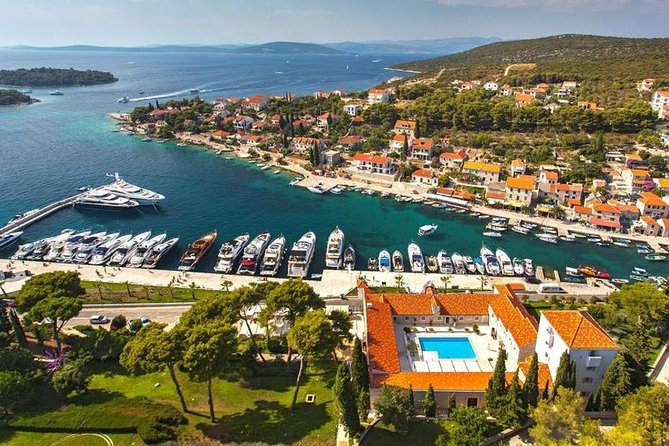
The schedule allows for free time to swim and sunbathe, and the experience includes a secluded swimming spot not far from the ferry port. The water is described as clear, and the stop can be a fine finish in summer.
This part is weather dependent in a practical sense. In late November, swimming and sunbathing lose much of their appeal, and the island may feel too quiet to fill extra time. One person on the tour chose to skip lunch and catch an earlier ferry in the off-season, which points to an important booking tip: check the season before paying the full private-tour price.
You return by van to Rogač and can catch the next ferry to Split or continue activities on Šolta. The stated activity ends back at the meeting point, so plan your onward ferry rather than assuming a specific departure is included.
The tour gives you about 90 minutes at Maslinica and another possible period for swimming, but the exact use of that time will depend on the season and your group. In summer, pack swimwear, a towel, and sun protection. In cooler months, treat the coastal pause as sightseeing rather than a beach break.
Who will get the most from this tour
I would recommend this for couples, families, and small groups who like food, farming, and personal contact. The private format makes it easier to ask questions, linger over the tasting, or adjust the pace within the planned route.
It is also a strong choice for people who want to see more than Split without committing to a full-day excursion. The ferry crossing, van transport, village stop, meal, and coast time create a varied half-day.
You will probably enjoy it most if you appreciate quiet places and do not need constant activity. The tour is built around conversation, tasting, and observation. It is not designed as a major-adventure day.
I would be more cautious about booking it in the cooler months if you are not strongly interested in olive oil. The swim stop may not be useful, and there may be limited alternatives for filling spare time. The price is easier to justify when the weather lets you enjoy the coast as well as the food.
Most people can participate, and service animals are allowed. The tour is offered in English, requires at least two people per booking, and only your group takes part.
Should you book the Šolta olive oil tour?
Book it if you want a private, food-centered island outing with real contact with a local olive-growing family. Frane’s grove explanations, the Olynthia mill, Marko’s three-course lunch, and the tasting of herb and citrus oils give the day a clear sense of place.
Think twice if your main goal is the lowest price or a long list of attractions. The ferry costs extra, the tour price is high, and Šolta’s quiet character may feel limited outside the warm season.
My advice is simple: choose a warm-weather date if you want to swim and make full use of the free time. Arrange ferry tickets carefully, tell the host about dietary needs, and come ready to taste rather than rush. For an olive oil enthusiast, this is a very appealing day. For everyone else, the quality of the lunch and the personal hosting will decide the value.
FAQ
Where does the tour begin?
The tour begins at the Rogač ferry port on Šolta Island. The meeting point is ROGAČ OKRETIŠTE, 21430 Rogač, Croatia.
Are ferry tickets included?
No. Ferry tickets to and from Šolta Island are not included. They cost about €4 to €5 one way.
How long does the experience last?
The tour lasts approximately five hours. The schedule includes the olive grove, Gornje Selo, Olynthia Olive Oil, Maslinica, and the return to Rogač.
Is lunch included?
Yes. Lunch with wine and olive oil pairings is included. You should provide any dietary requirements when booking.
Is this a private tour?
Yes. Only your group participates, and a minimum of two people is required per booking.
Is swimming included?
The tour provides free time for swimming and sunbathing, subject to the season and conditions. You can also use the free time for a walk or sightseeing.
What happens if I need to cancel?
You can receive a full refund if you cancel at least 24 hours before the experience starts. Changes or cancellations made less than 24 hours before the start time are not accepted for a refund.
Just added around Croatia
- Zadar, Šibenik: olive oil, wine & food tasting, Self Drive★ 4.7 · 9 reviews
- Private tour of Brač island with olive oil tasting★ 5.0 · 2 reviews
- Wine, Honey & Olive Oil of Solta Island – Tasting Tour★ 5.0 · 4 reviews
- Makarska Tuk Tuk Tour Olive Grove, Scenic Views and Tastings★ 5.0 · 3 reviews
- Small-Group Olive Oil Tour in Cres with Tasting★ 5.0 · 2 reviews
- Private Hvar Island Tour and Olive Oil Tasting★ 4.5 · 10 reviews
- Poreč: Olive Grove Walk and Tasting with Local Products★ 5.0 · 5 reviews
- Kastela: Wine & Olive Tasting Tour w/Delicacies & Live Music★ 5.0 · 5 reviews
Olive Oil Tours with Lunch, compared.
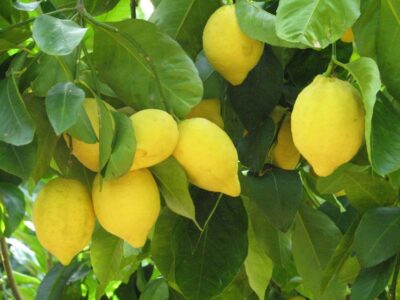
Lemon, Olive Oil and Wine Tasting Tour with Lunch
Read our review →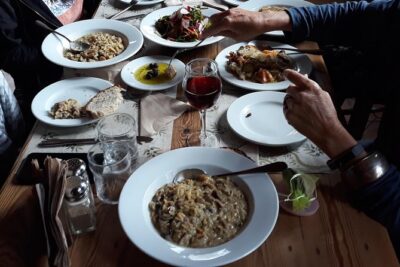
Wine & Olive Oil Tour with Lunch at Milia Mountain Retreat
Read our review →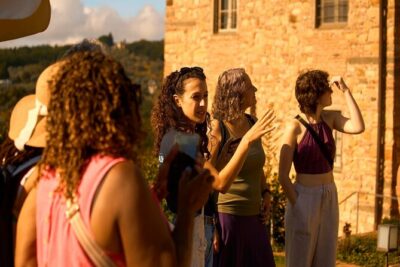
Great Chianti Wine and Olive Oil Trail with Lunch
Read our review →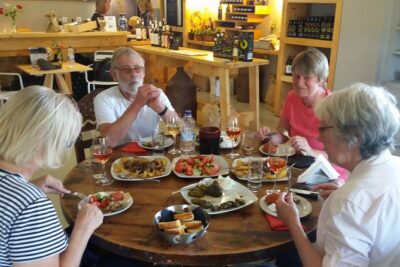
Wine & Olive Oil Tour with Lunch – Semi Private Safari Tour
Read our review →
Milia Mountain Tour w/Lunch Olive Oil/Wine Tastings
Read our review →
Wine & Olive Oil Tour with lunch at the White Mountains
Read our review →
Organic Olive Grove tour & Olive oil tasting & lunch in Kalamata!
Read our review →Browse the lists this tour appears in